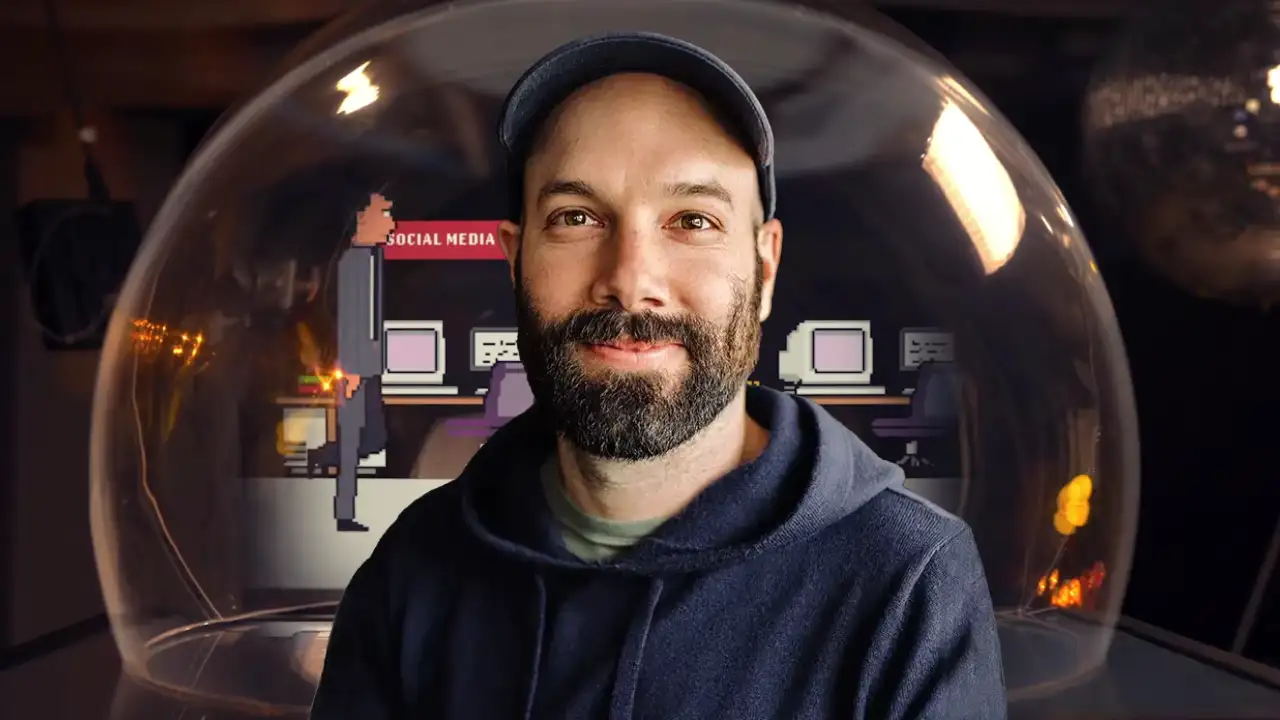
Jack Conte, the musician-turned-tech entrepreneur who leads Patreon, is calling for a fundamental rethinking of how the internet operates. In a recent New York Times video, Conte argues that the dominant algorithms powering TikTok, Instagram, Facebook, and other major platforms are built to maximize advertising revenue rather than support meaningful online experiences.
By prioritizing sensational content that triggers outrage or compulsive scrolling, he says these systems undermine community trust, reward shallow engagement, and shape user behavior in ways that are difficult to control.
Conte, who has spent more than 17 years creating music and digital content, traces the issue to a business model that extracts as much attention as possible from users. This “attention economy,” he explains, pushes platforms to surface rage-bait and fast-moving viral trends because they generate quick engagement spikes that translate into higher ad profits.
The result is an internet that often amplifies conflict, accelerates burnout, and leaves little space for creative exploration or deeper relationships. His work with Patreon, which he co-founded to allow audiences to directly support creators, illustrates an alternative path that focuses on value rather than volume.
In the video, Conte outlines a framework for redesigning digital platforms to serve people rather than advertisers. He describes three guiding principles for this shift. The first is to prioritize long-term human connection instead of maximizing short bursts of attention, a recalibration he frames as turning down the “attention dial” and turning up the “human connection dial.”
The second is to build an economy that funds artists and creators directly, ensuring that the internet becomes fertile ground for genuine expression instead of algorithm-driven distractions. His third principle emphasizes restoring human judgment to content curation, pairing human insight with algorithmic support to improve discovery without overwhelming users.
Conte clarifies that he is not advocating for the removal of algorithms but for their redesign. He notes that earlier eras of social media invested in human curators who highlighted high-quality work, a practice that has faded as automated systems took over.
Reviving these approaches, he argues, would help diversify digital culture and support creators whose work is overshadowed by viral-centric feeds.
His message arrives at a time when public scrutiny of online platforms continues to intensify. Critics of the attention economy warn that its incentives promote addictive design patterns and weaken constructive discourse.
Conte’s perspective offers a contrasting vision, one where digital spaces encourage creativity, strengthen community, and support the artists and thinkers driving cultural innovation.
By calling for an internet centred on people rather than algorithms, Conte presents a path toward a healthier digital future. His proposal challenges the current model while outlining a direction that could reshape the creator economy and online social interaction for years to come.