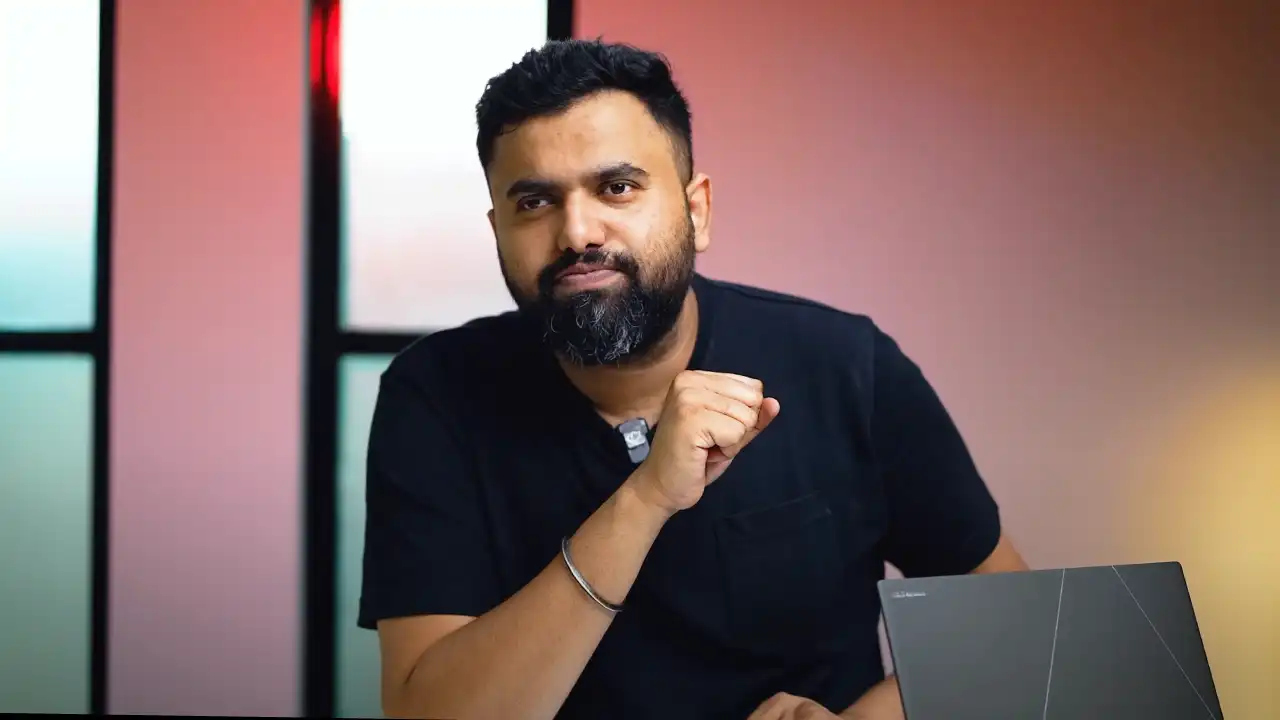
India’s most trusted digital educator and YouTuber, Dhruv Rathee, has always been known for simplifying complex topics. But this time, the tables turned when he stepped into the complex world of tech entrepreneurship. His latest venture, AI Fiesta, an ambitious “AI super-app,” became an overnight sensation and controversy.
Just six weeks after launch, the platform reported over 3.5 million users, 20 million messages exchanged, and 40,000 paying subscribers, along with a whopping $3 million annual recurring revenue (ARR). Yet, the praise quickly gave way to skepticism, online backlash, and a flood of “scam” allegations that forced Rathee to address his critics head-on.
When AI Fiesta launched in August 2025, Rathee and his co-founders promised something revolutionary: a single app giving Indian users access to top AI tools like ChatGPT, Gemini, Claude, Perplexity, Grok, and DeepSeek, all under one affordable subscription.
For Indian audiences struggling with international pricing, AI Fiesta’s UPI payment option, multi-AI comparison tools, and Hindi language support made it an instant hit. The company claimed users could save up to ₹70,000 a year compared to subscribing to each tool separately, a massive draw for India’s growing creator and student community.
But as soon as the app went viral, critics on X (Twitter), Reddit, and YouTube began poking holes in the product. The backlash ranged from technical complaints to accusations of overhype.
Many users claimed the token-based model, which offered 400,000 monthly tokens, felt misleading since the tokens were shared across all AIs, reducing real usage limits.
Others argued the platform was merely an “AI aggregator” reselling public APIs, without genuine innovation. Some even mocked it as “a college project packaged like a startup.”
Adding fuel to the fire, online “exposés” accused AI Fiesta of marketing exaggerations, such as listing “GPT-5” and “new versions” that weren’t officially released by OpenAI.
A mix of payment glitches, access delays, and angry customer reviews only intensified the criticism, pushing hashtags like #AIFiestaScam to trend.
Rathee didn’t stay silent. In a 21-minute YouTube video titled “Was I a Failure?”, he took full accountability, offering rare transparency for a startup founder. He shared internal data, 20 million total messages, an average of 400 per user, and continuous feature rollouts but admitted, “To call it a success now would be premature. Real failure only occurs when you give up, and we’re far from that.”
He detailed how the unexpected demand overwhelmed the small team, leading to technical chaos and what he called a “PR disaster.”
Rathee personally handled manual payment troubleshooting, oversaw emergency customer support hiring, and fast-tracked the creation of an AI help assistant that now auto-resolves 40% of user queries.
He openly differentiated between genuine customer concerns and troll-driven outrage, emphasizing that feedback from users directly influenced product improvements. “I personally reached out to dozens of critics,” he shared, “and turned their suggestions into real updates.”
In true startup spirit, Rathee has turned criticism into iteration. To set AI Fiesta apart from global competitors, he announced three major updates: Super Fiesta Mode, which automatically routes user queries to the AI best suited for the task; Avatars, allowing users to chat with personalities like Gandhi, Ambedkar, or Einstein or even design their own doctor, chef, or finance advisor; and a full Hindi user interface, making it the first major AI aggregator to cater fully to non-English speakers in India.
Rathee insists that “no other AI app globally has this blend of features,” reaffirming his goal to make AI Fiesta not just a tool but a movement for accessibility.
Tech analysts now see AI Fiesta as a hybrid success: not a scam, but not a deep-tech innovation either. The platform mainly functions as an AI reseller, bundling APIs, optimizing the interface, and making premium AI tools affordable for India’s mass audience.
Its biggest edge remains smart pricing, UPI access, and Rathee’s massive loyal fanbase, which drives engagement and feedback loops.
Experts argue that in the rapidly evolving world of “agentic” AI tools, aggregators like AI Fiesta might become a new normal, offering convenience even if they don’t reinvent technology. For Rathee, the journey from educator to entrepreneur has been both empowering and humbling.
Dhruv Rathee’s AI Fiesta captures both the ambition and the vulnerability of India’s creator-led startup wave. It shows how transparency, fast learning, and cultural inclusivity can win back trust, but also how easily marketing hype can spark backlash in the digital age.
As AI Fiesta continues to grow, Rathee’s challenge will be balancing bold vision with grounded honesty, a test that could define not just his startup, but the credibility of creator entrepreneurship in India.