A viral wave of nostalgia, 2026 is the new 2016, has taken over major social media platforms like Instagram, as millions of users share unpolished photos from a decade ago.
The trend, which gained massive momentum on New Year’s Day, encourages people to post photo dumps and even video clips from the year 2016.
This digital time capsule seems to be a collective response to the rising fatigue caused by hyper-curated feeds and the recent explosion of content generated by AI.
The viral social media trend serves as a rejection of modern “scroll fatigue” that many users face today. By revisiting 2016, a year widely remembered as a simpler time for the internet, people are celebrating the era before the total dominance of the algorithm.
In 2016, social media was primarily for sharing raw moments without brain-rotting short videos or heavily monetised content, allowing for more spontaneous and raw posting.
Many celebrities and influencers have already joined this viral trend to share their nostalgic pictures from a decade ago, citing 2016 as one of the best years.
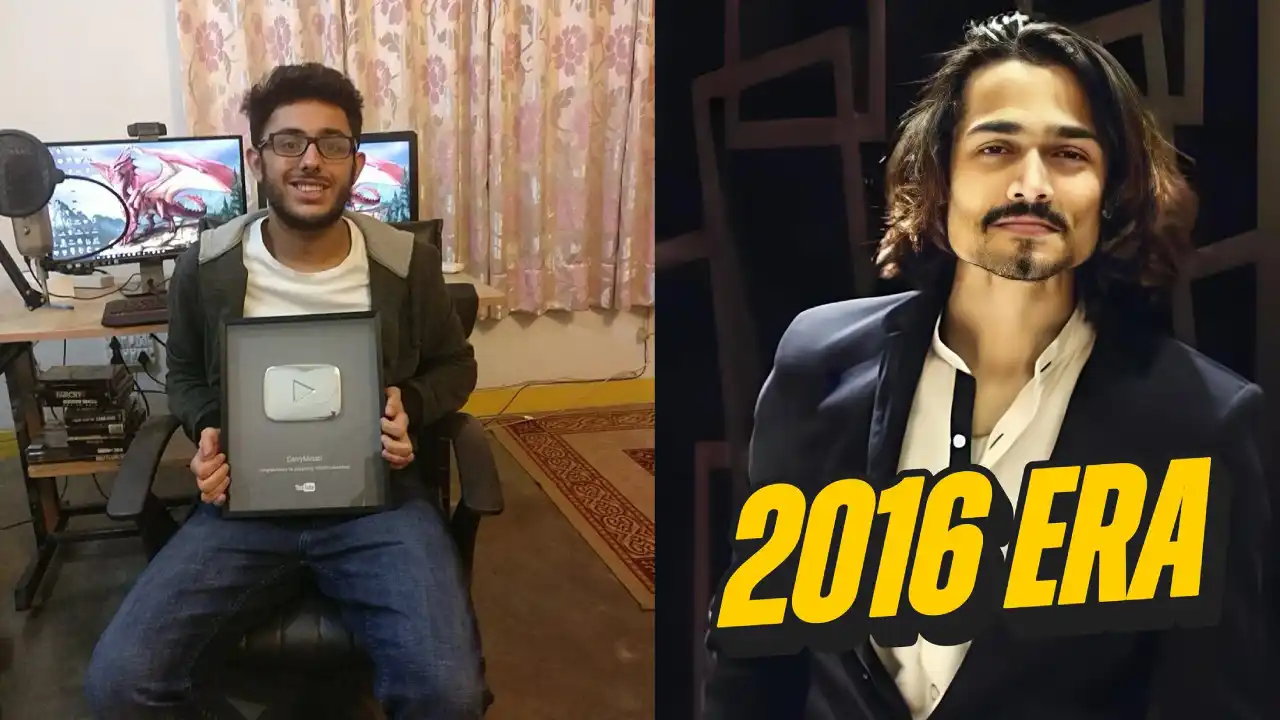
Top Indian creators like CarryMinati and Bhuvan Bam have also participated by sharing their early milestones, such as receiving their first YouTube awards.
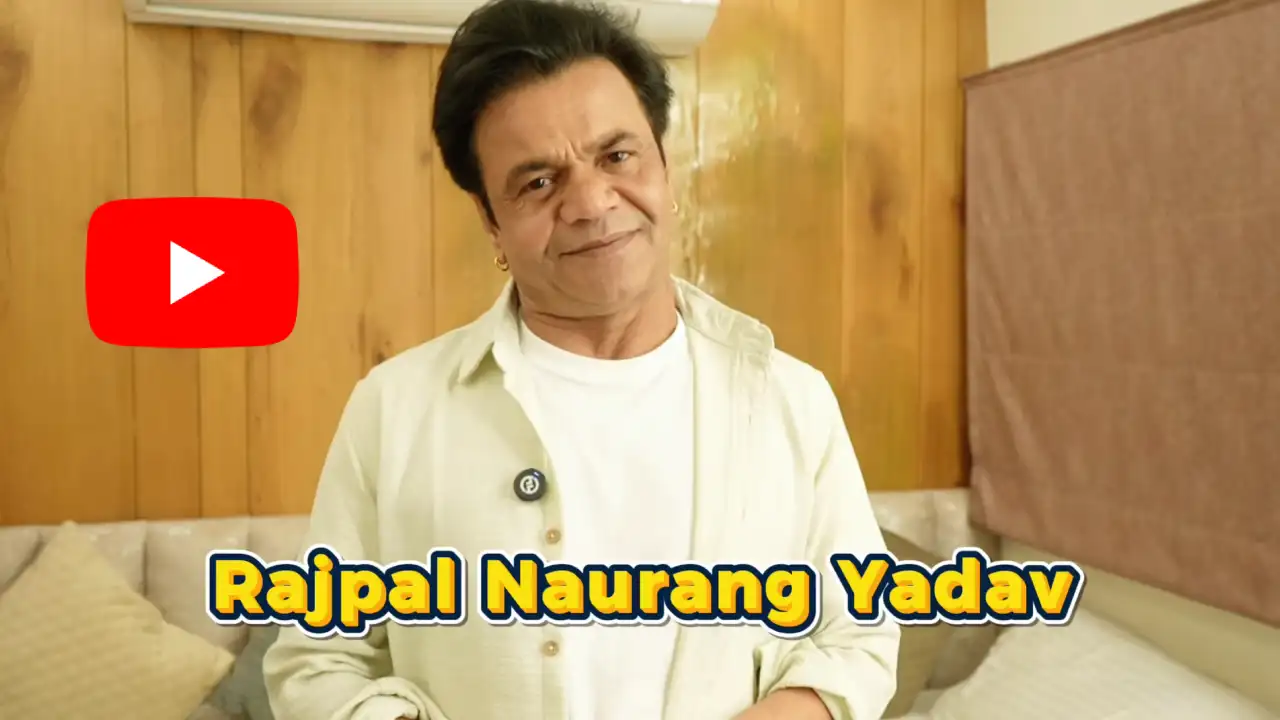
Even the official YouTube India handle (@youtubecreatorsindia) joined the wave, highlighting how the landscape has shifted from basic handheld vlogs to the high-production industry it is today.
The visual hallmarks of the trend include the return of lo-fi photography and iconic Snapchat filters, such as the flower crown and puppy dog ears.
As followers grow tired of perfectly filtered lives, they are gravitating toward “behind-the-scenes” (BTS) content that feels human and relatable, even if the camera quality is lower.
This nostalgia marks a significant period for the Indian creator economy, as 2016 was the year high-speed mobile data became widely accessible, launching the careers of the country’s first “unicorns” (startups valued at over $1 billion) and major influencers.
By looking back, this 2016 trend is not just about fashion; it is a strategic move to reclaim the fun and organic growth that defined the early internet.