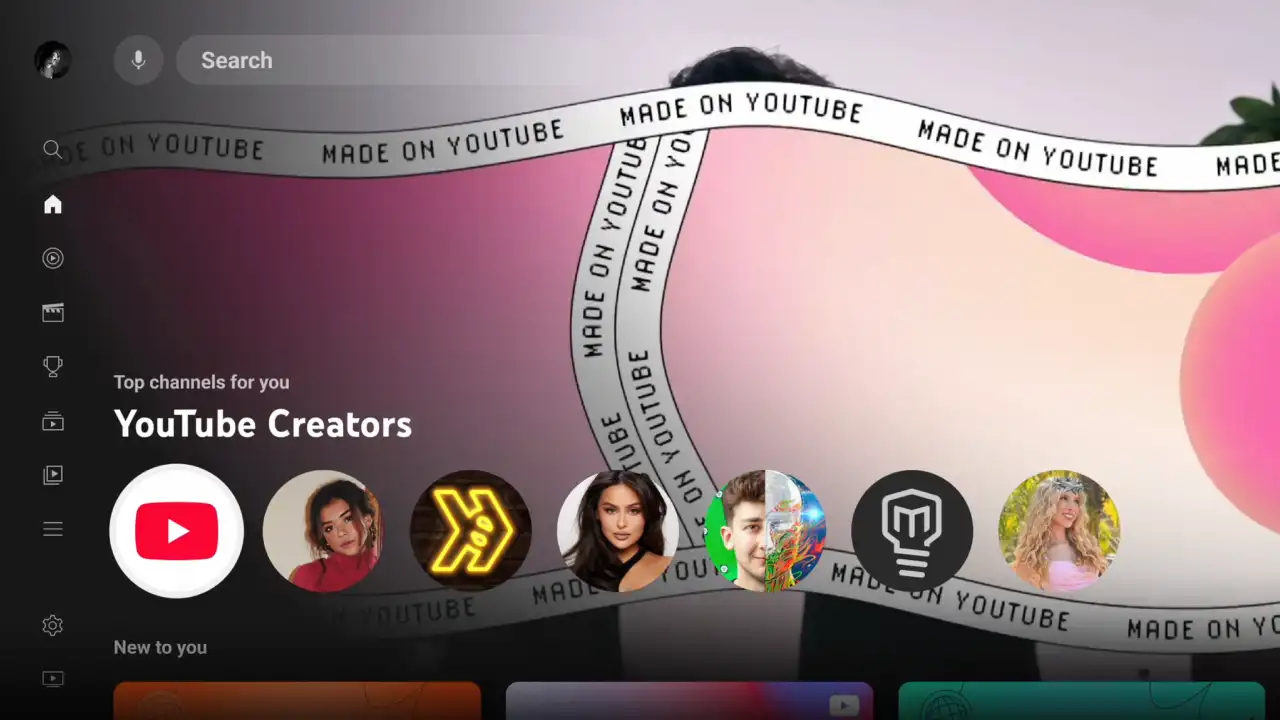
YouTube is gearing up for a new era, one defined by smarter design, artificial intelligence, and the living room experience. In the latest episode of YouTube’s “Release Notes” podcast, Chief Product Officer Johanna Voolich joined Creator Liaison Rene Ritchie to offer an inside look at the company’s evolving roadmap.
The conversation covered everything from new features for YouTube on TV to AI-powered creation tools, giving creators and audiences a clear glimpse of where the platform is heading next.
According to the official YouTube Blog and Creator Insider, this episode marks one of the most detailed public discussions yet on the platform’s strategy, signalling how YouTube plans to stay ahead in a rapidly changing digital world dominated by streaming, AI, and creator-driven media.
YouTube’s biggest push right now is transforming how people watch on connected TVs. As millions increasingly view videos on big screens rather than phones, YouTube wants to make the experience more immersive, intuitive, and personal.
Voolich revealed that the company has begun rolling out new immersive channel pages for TV users, where videos auto-play when a viewer visits a creator’s channel, similar to browsing on Netflix. This design aims to make discovering creators and engaging with their content smoother than ever.
She added that the update reflects YouTube’s new identity as a “first-screen” experience, no longer just a mobile platform, but a full-fledged streaming competitor. Supporting this shift are smarter playback controls, collaborative playlists, sleep timers, and small but meaningful UI tweaks, all shaped by direct community feedback.
According to Tubefilter and Search Engine Journal, these improvements stem from extensive user studies and feedback rounds with both creators and viewers, part of YouTube’s ongoing commitment to “build with the community, not just for it.”
Artificial intelligence continues to play a growing role in how YouTube works, and Voolich emphasized a thoughtful balance between invisible and visible AI.
Behind the scenes, “invisible AI” quietly drives key systems like personalized recommendations, search optimization, and safety enforcement. Meanwhile, “visible AI” is what creators will directly interact with tools like Aloud, which auto-translates content into multiple languages, and Dream Screen, which lets users generate creative backgrounds using AI.
Voolich explained that YouTube’s mission isn’t to replace creators with machines but to amplify their voices and creativity. “We want AI to supercharge the creator, not stand in for them,” she said during the discussion.
The company is also testing AI-assisted video editing and smarter moderation systems to reduce creator burnout and streamline production. This blend of technology and storytelling represents YouTube’s next decade of evolution—one that gives creators superpowers rather than shortcuts.
With over two billion users worldwide, design consistency has become a major focus for YouTube. Voolich explained that the goal is to make the platform feel seamless, whether someone is watching on a phone, a desktop, or a television.
She outlined how upcoming updates will bring a more unified and responsive interface, ensuring that transitions between devices are smooth. The same philosophy extends to YouTube Music, where features like playlist voting, custom badges, and download options are being introduced to enhance personalization.
As reported by YouTube’s official release notes and Search Engine Journal, YouTube is also doubling down on long-form audio and podcasting for 2025, integrating these experiences more tightly into the app to keep listeners engaged without switching platforms.
One recurring message throughout the podcast was that YouTube’s innovations are rooted in responsibility. As the platform grows, so do concerns around content moderation, creator well-being, and fair monetisation.
Voolich shared that the team regularly consults top creators like MrBeast and Alan Chikin Chow to gather feedback and maintain a transparent dialogue about policy shifts and new tools. “We’re listening more closely than ever,” she said, emphasising that feedback directly shapes how the platform evolves.
According to Creator Insider and official company statements, this collaboration-driven approach is part of YouTube’s broader mission to build trust and ensure safety while empowering creators to thrive.