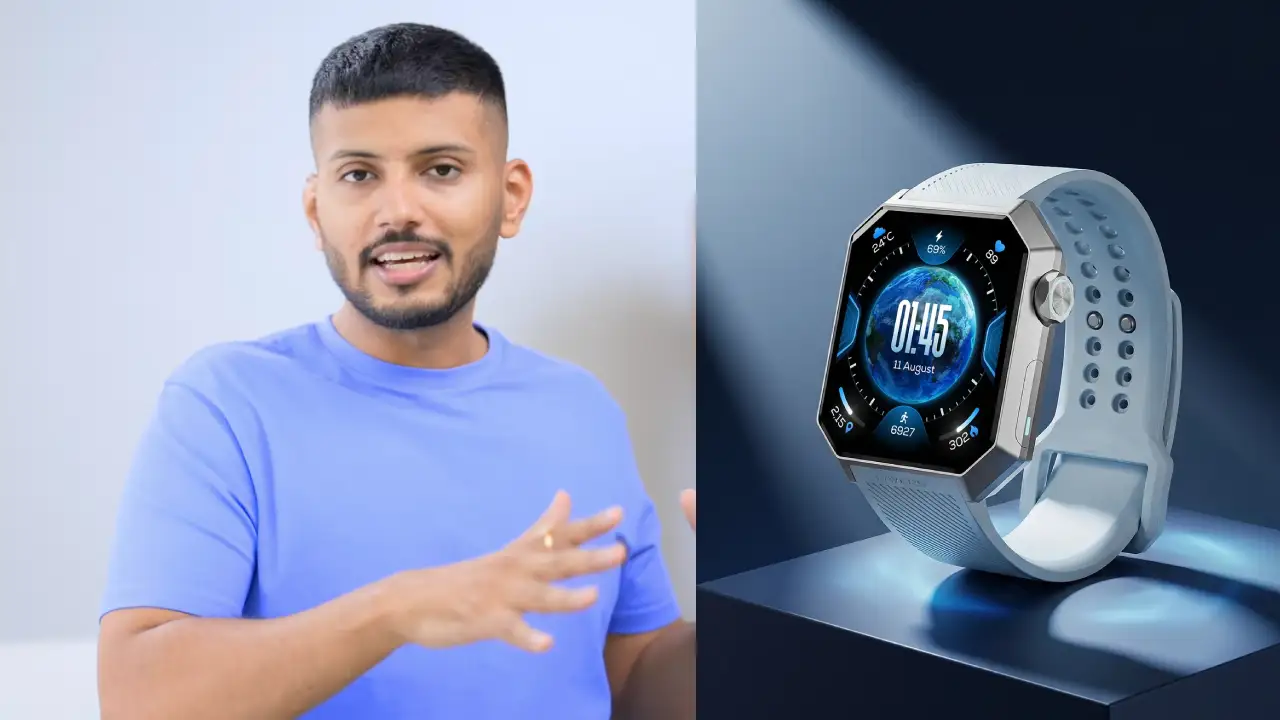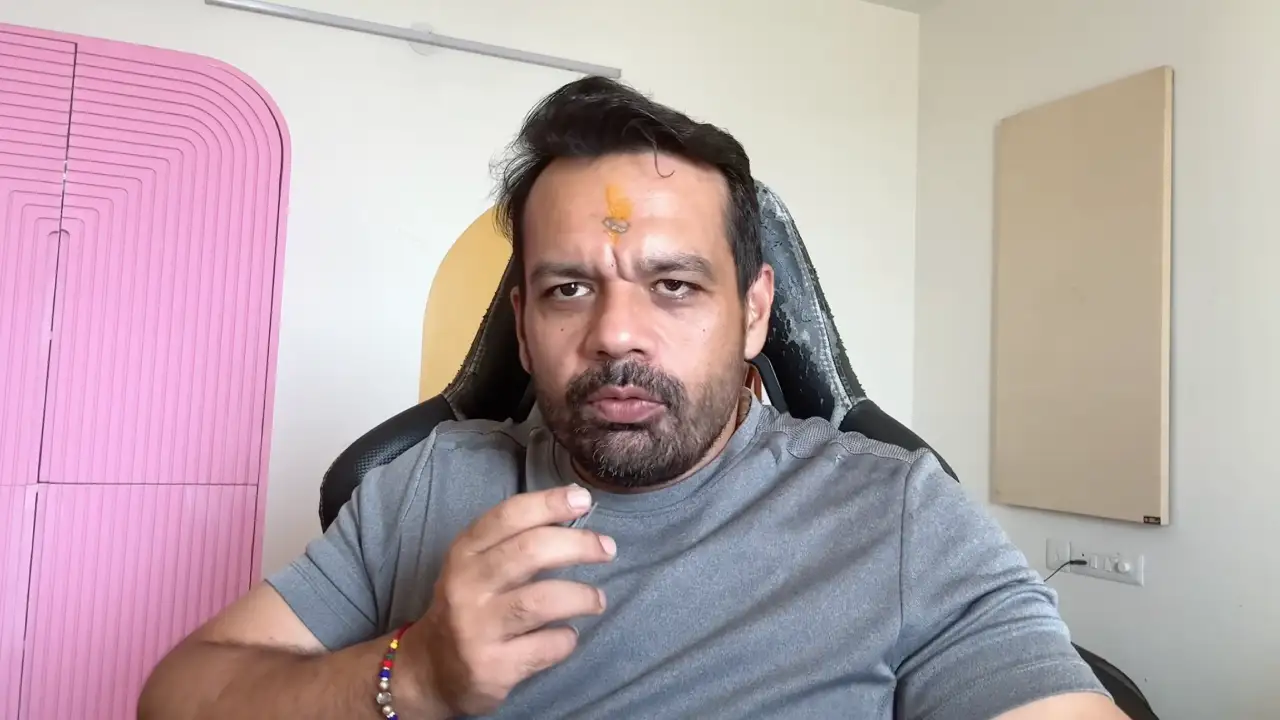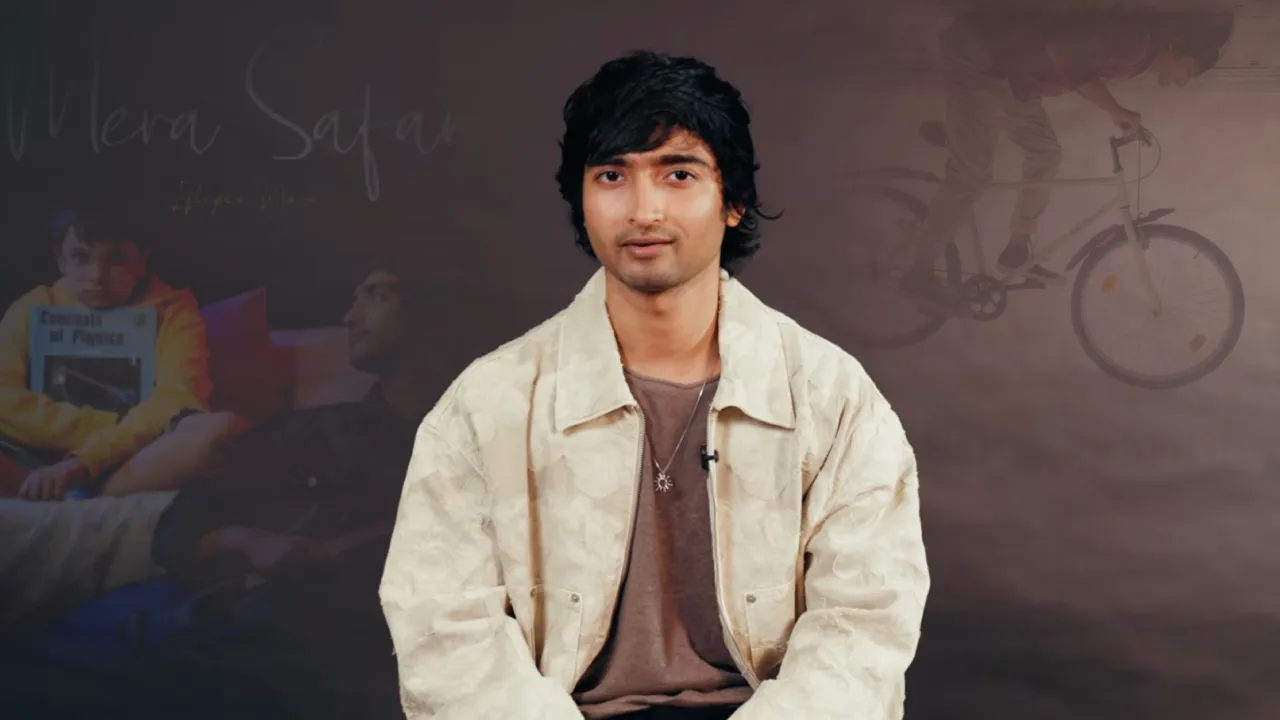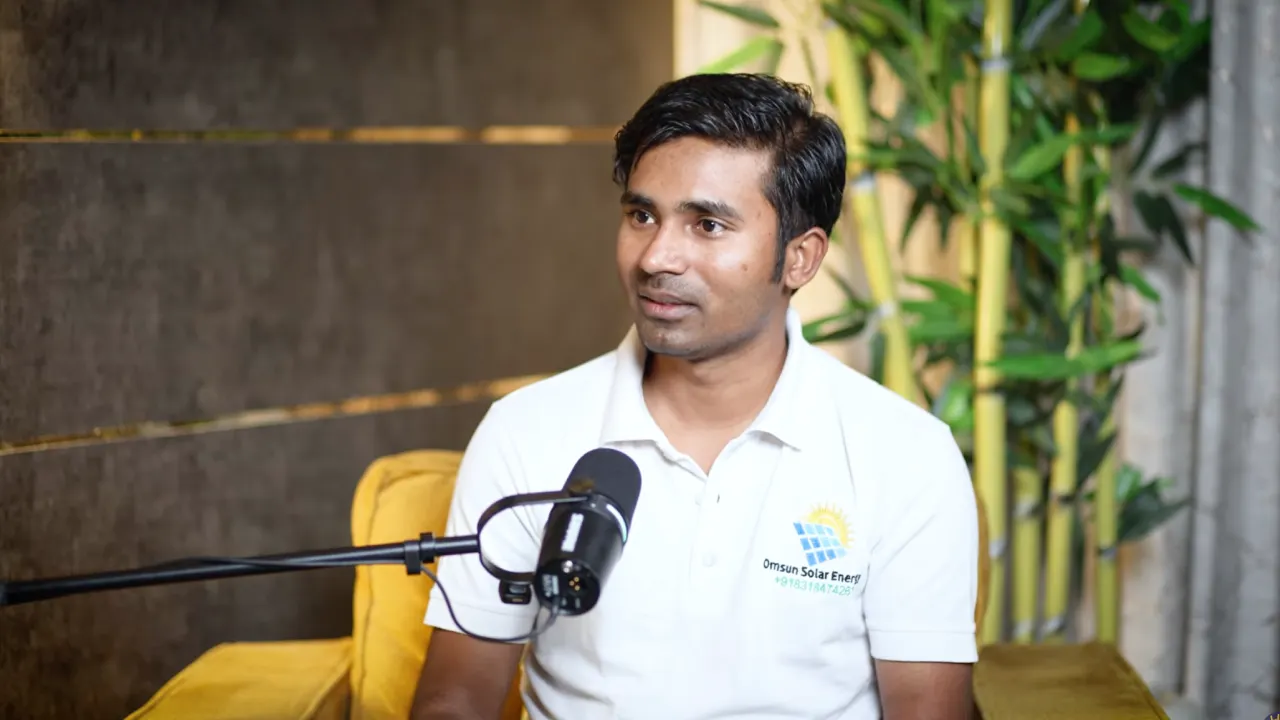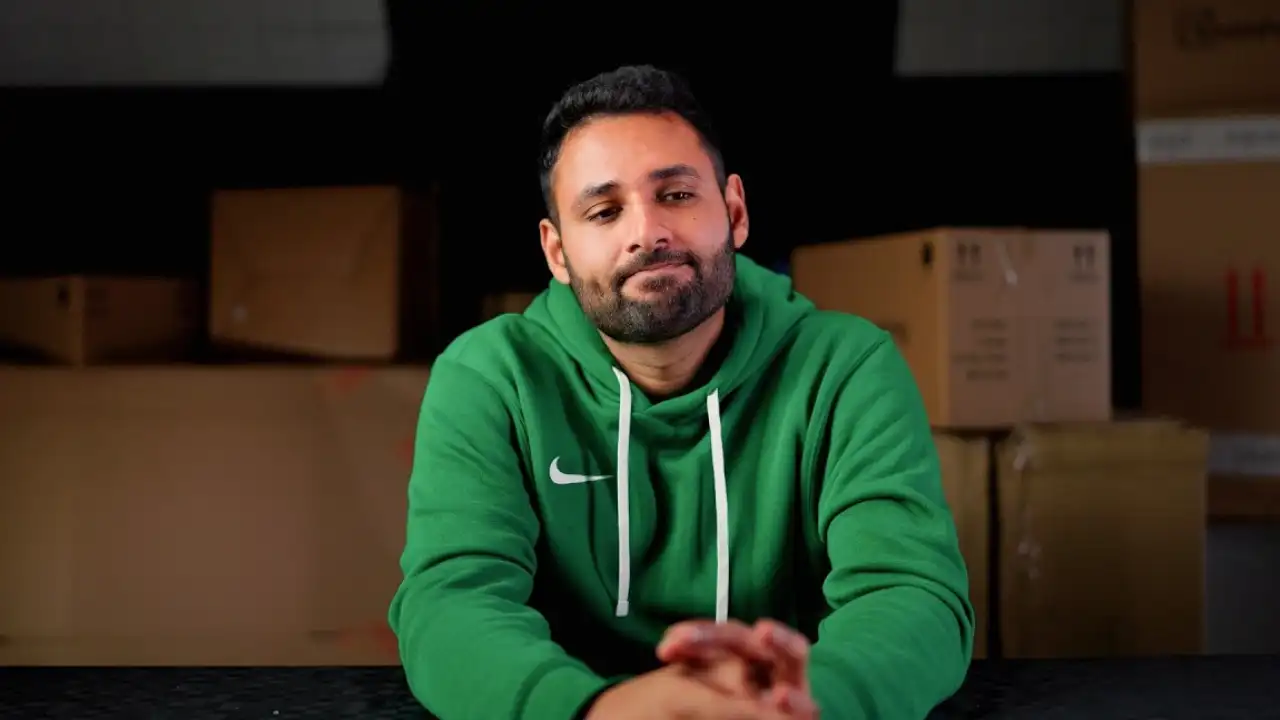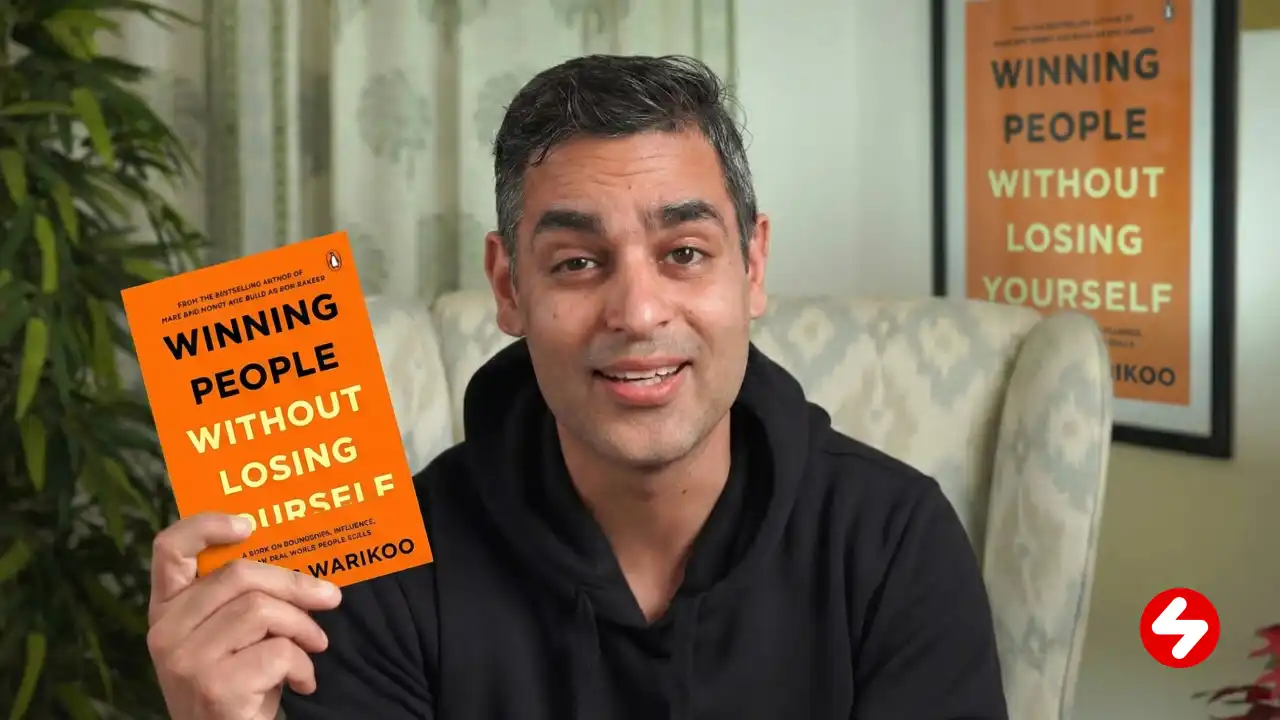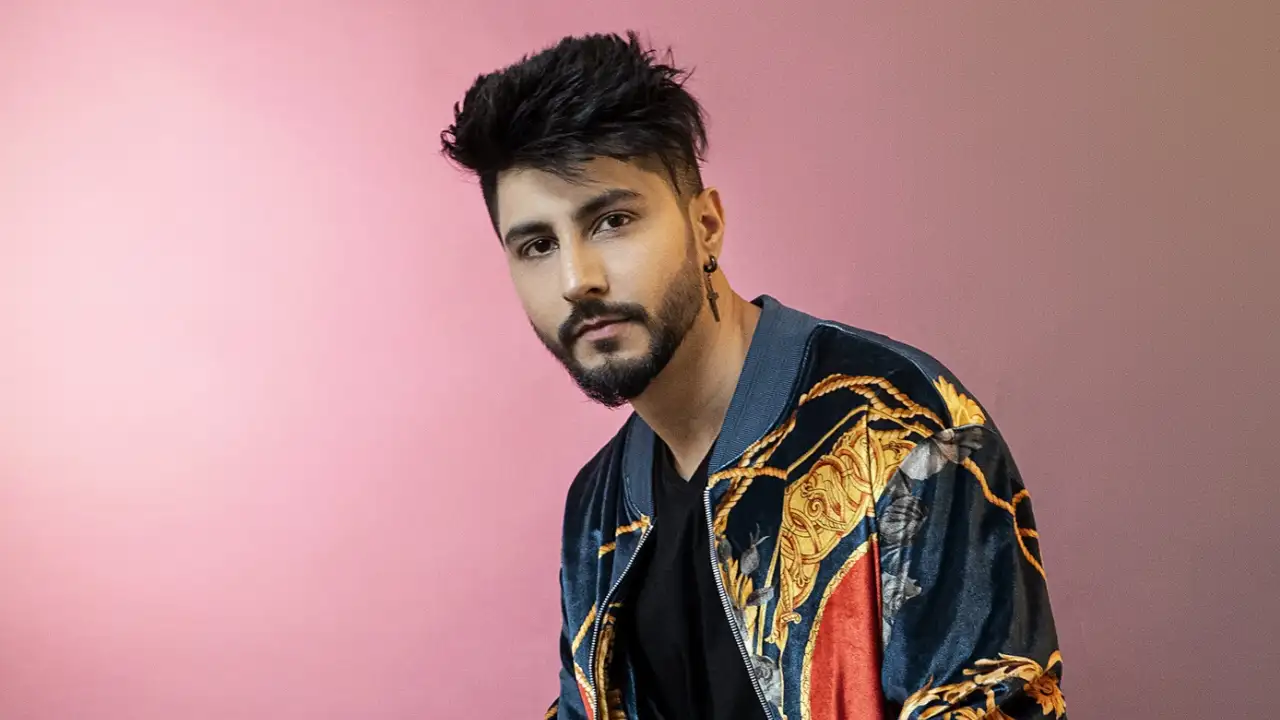

A rising wave of fake influencer accounts on Instagram is shaking India’s creator economy. Fraudsters are cloning profiles of some of the country’s most recognised digital personalities, copying their photos, bios, and posts, to scam followers, run fake giveaways, and even extort real creators.
The issue, highlighted recently by entrepreneur and tech creator Soam Jena, has quickly evolved into a nationwide cybercrime threat, according to reports from NDTV, The Tribune, and several digital watchdogs.
“Scammers are impersonating popular influencers on Telegram, using their names and profile pictures to appear legitimate. They lure followers…” warned Soam on an X post.
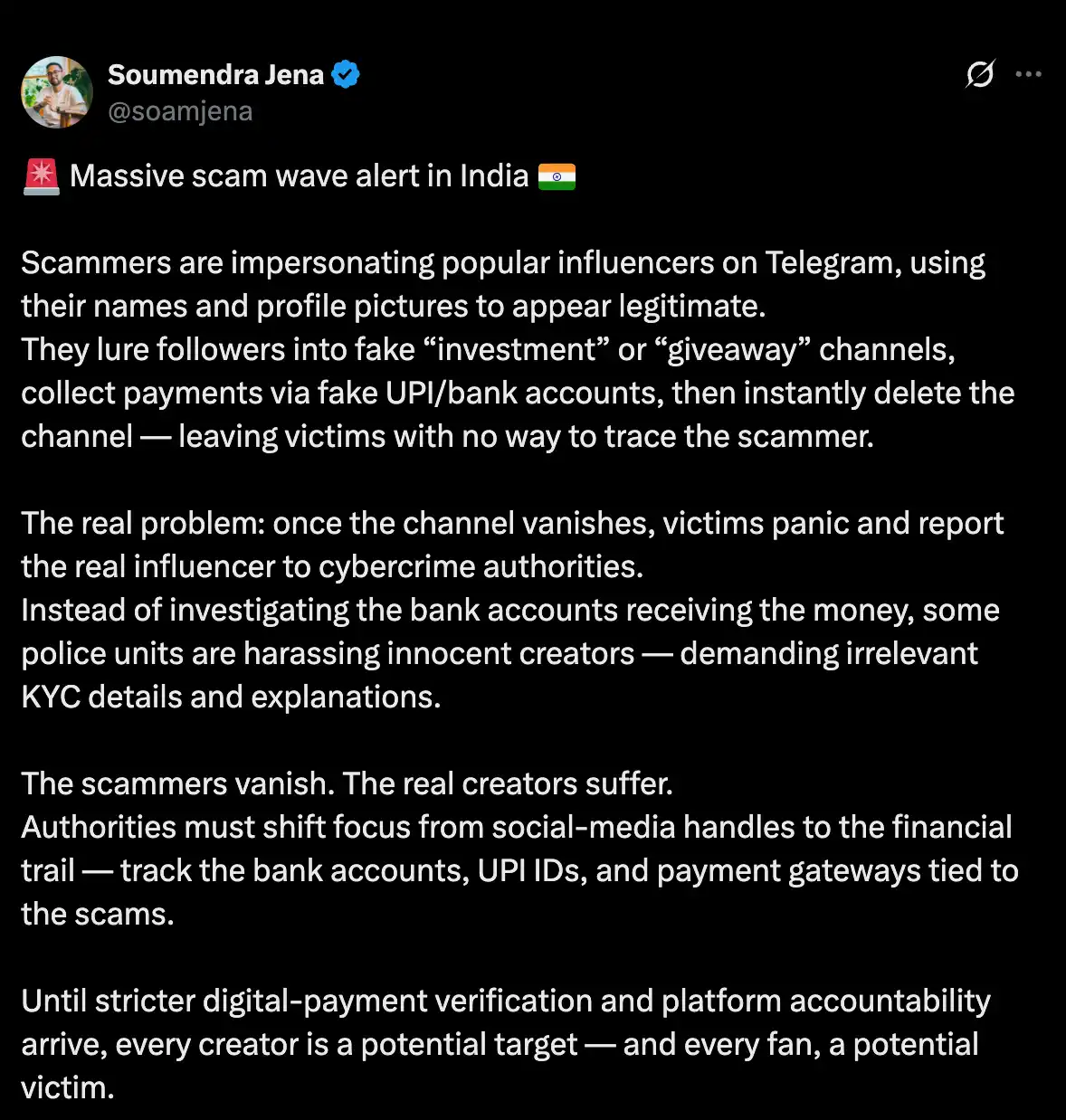
Jena’s message struck a chord with India’s online creator community. Dozens of influencers have since come forward, sharing how their photos and content are being used without consent across Instagram, Telegram, Facebook, and even WhatsApp, to carry out coordinated scams.
Fraudsters often pretend to be real influencers with new pages, then reach out to fans or brands with fake offers, partnerships, or investment opportunities.
According to ScamWatchHQ and the Global Influencer Marketing Benchmark Report 2024, nearly 10% of all Instagram accounts are fake or bot-operated, used either to inflate engagement numbers or run fraud networks. Many of these clones are built to deceive followers, posing as real creators while promoting fraudulent giveaways, pyramid schemes, and money traps.
The impersonation problem isn’t just about fake fame anymore; it’s costing real people money. Audience of a social media influencer thinks those pages as real, and many a time pay for services offered by the fake pages.
Beyond taking money from the followers, impersonation has turned into a multi-layered scam ecosystem. Reports from The Tribune and police sources in Delhi and Lucknow reveal that several individuals, including some aspiring influencers, have been arrested for using fake profiles to defraud users.
The scams range from fake job offers and giveaways to bogus e-commerce deals, designed to extract money or personal data from unsuspecting victims.
Experts warn that the profits behind these scams are immense. Fake profiles are used not just for stealing followers but also for money laundering, crypto fraud, and ad revenue scams. With India’s influencer marketing industry now worth billions, fraudsters see it as the new frontier for digital crime.
Creators like Soam Jena are now leading awareness efforts. Through consistent updates on social media, Jena has been documenting how scammers clone profiles and communicate with fans to appear legitimate.
According to industry insiders, such awareness campaigns are crucial, as many followers still fall for unverified DMs or unofficial announcements that look authentic.
Several influencers have also started partnering with cybercrime cells and Instagram’s internal safety teams to report and remove fake accounts. Many are urging followers to double-check verification badges and avoid interacting with suspicious accounts that promise rewards or job opportunities.
While Instagram has improved its AI-based detection tools, experts say user vigilance remains the strongest defence. Followers are encouraged to verify blue ticks, cross-check links, and avoid clicking on suspicious offers.
Meanwhile, creators are being advised to regularly monitor fake accounts using social media tracking tools and to maintain clear communication channels with their audiences.
As The Tribune and NDTV note, this impersonation surge is a reflection of a deeper digital security challenge, one that calls for stronger collaboration between creators, platforms, and law enforcement. The fight against fake accounts may be ongoing, but public awareness, digital literacy, and prompt reporting can turn the tide.
India’s digital creators are at the forefront of a fast-evolving economy, but with growth comes risk. The impersonation epidemic underscores how easily identity theft and cybercrime can intertwine in the influencer age.
As Soam Jena aptly summed up through his recent alert, creators today aren’t just battling algorithms; they’re fighting to protect their own identities in a digital world where anyone can be cloned with a click.