The Indian creator economy has officially graduated from a “side hustle” to a massive industrial force, with YouTube paying out over ₹21,000 crore to Indian creators in the last three years.
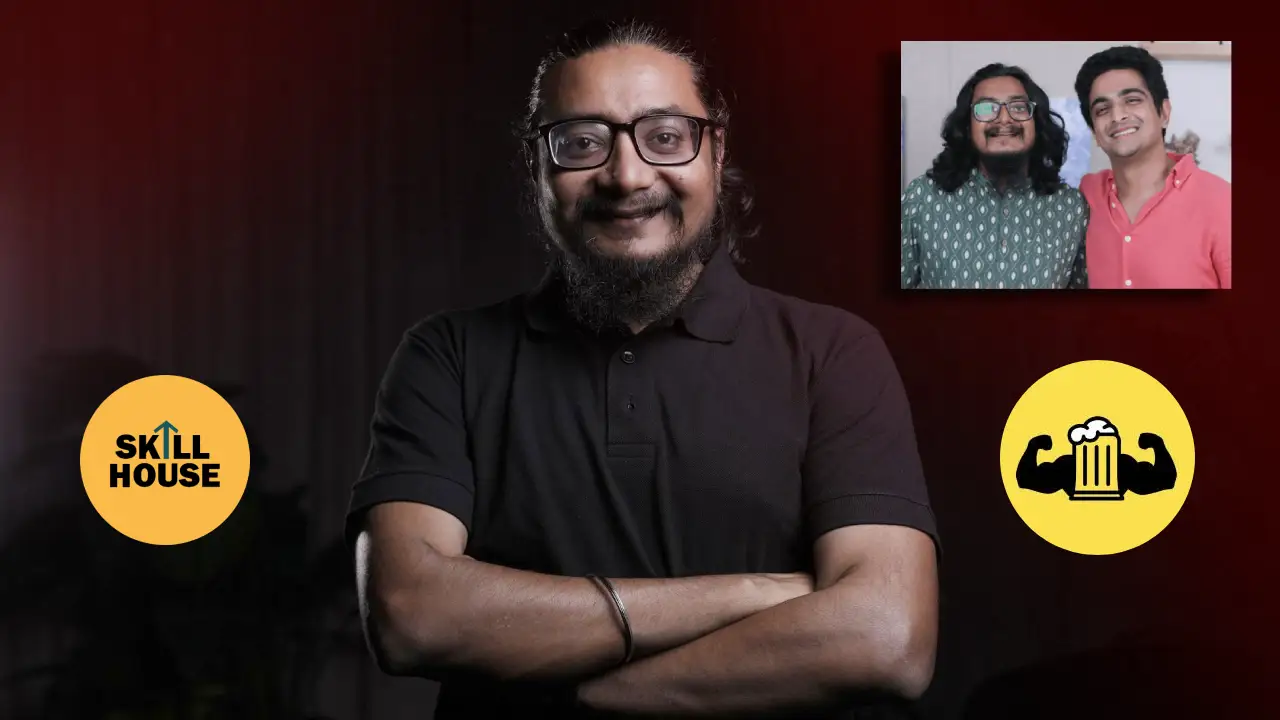
Manish Pandey, a veteran brand consultant and co-founder of BeerBiceps Media, revealed these figures on a podcast episode of Hustle Tank.
Known as the “unofficial coach” to India’s top digital stars, Pandey outlined a bullish future where the sector, which currently supports approximately 9.3 lakh jobs, could generate up to 93 lakh jobs over the next decade.
However, the path to monetisation is shifting. Pandey warns that the days of solo “vlogging” are fading, making way for sophisticated “Creator Co-founders” and structured media operations.
Manish Pandey is a pivotal figure in India’s digital landscape, often credited with mentoring top creators like Ranveer Allahbadia (BeerBiceps). He co-authored the bestselling book Booming Digital Stars and previously served in the leadership team at Josh Talks.
Currently, he focuses on scaling BeerBiceps Skill House, an ed-tech initiative designed to train the next generation of video editors and content strategists.
The Rise of the ‘Creator Co-Founder’
The popular creator-mentor, Manish Pandey, argues that every modern company, from fintech to manufacturing, will soon require a creator co-founder, a C-suite executive dedicated to storytelling and community building.
Citing tech investor Balaji Srinivasan, Pandey explained that this role goes beyond a typical Chief Marketing Officer (CMO).
“Tomorrow, if agritech is happening, or anything under the sun, it will need a content creator co-founder,” Pandey said. “This person needs to be a good writer, storyteller, and team manager who understands how social platforms work.“
He pointed to successful examples like boAt co-founder Aman Gupta and Mamaearth’s Ghazal Alagh, whose personal brands on Shark Tank India directly fueled their companies’ valuations.
The 5-Person Creator Business Blueprint
For aspiring creators aiming to grow as full-time content creators in 2026, Pandey advises treating a channel like a startup. He broke down the essential “Minimum Viable Team” required to run a professional YouTube operation:
- Scriptwriter: To ensure narrative depth.
- Video Editors (2): To handle high-quality production and volume.
- Thumbnail Designer: To drive Click-Through Rates (CTR).
- Data/Upload Manager: To analyse retention graphs and optimise metadata.
- Business Manager: To handle brand deals and operations.
Pandey estimates this setup requires a monthly operational cost (Burn Rate) of ₹1.5 lakh to ₹3 lakh. While this is a steep entry barrier, he suggests that a two-year investment of roughly ₹70 lakh to ₹1 crore could yield 10x returns if the content achieves product-market fit.
For students or those without capital, his advice is simple: “Grind for the first two years. Do everything yourself, writing, editing, and shooting, until you earn enough to hire.“

‘Brain Rot’ and the Algorithm Conspiracy
Despite his deep entrenchment in social media, Pandey expressed concern over Brain-Rot, the cognitive decline caused by excessive short-form content consumption.
He revealed he has deleted WhatsApp and plans to delete Instagram soon to protect his mental clarity. He also dismissed the obsession with “hacking” algorithms.
“My conspiracy theory is that successful creators spread the rumour of the ‘algorithm’ so others stay confused,” Pandey joked. “Piyush Pandey (legendary ad man) told me that emotions will always override algorithms. If you create a beautiful story, the human will challenge the algorithm to share it.“
His comments come as YouTube’s latest impact report confirms the platform contributed over ₹16,000 crore to India’s GDP in 2024, validating the sector’s economic weight.