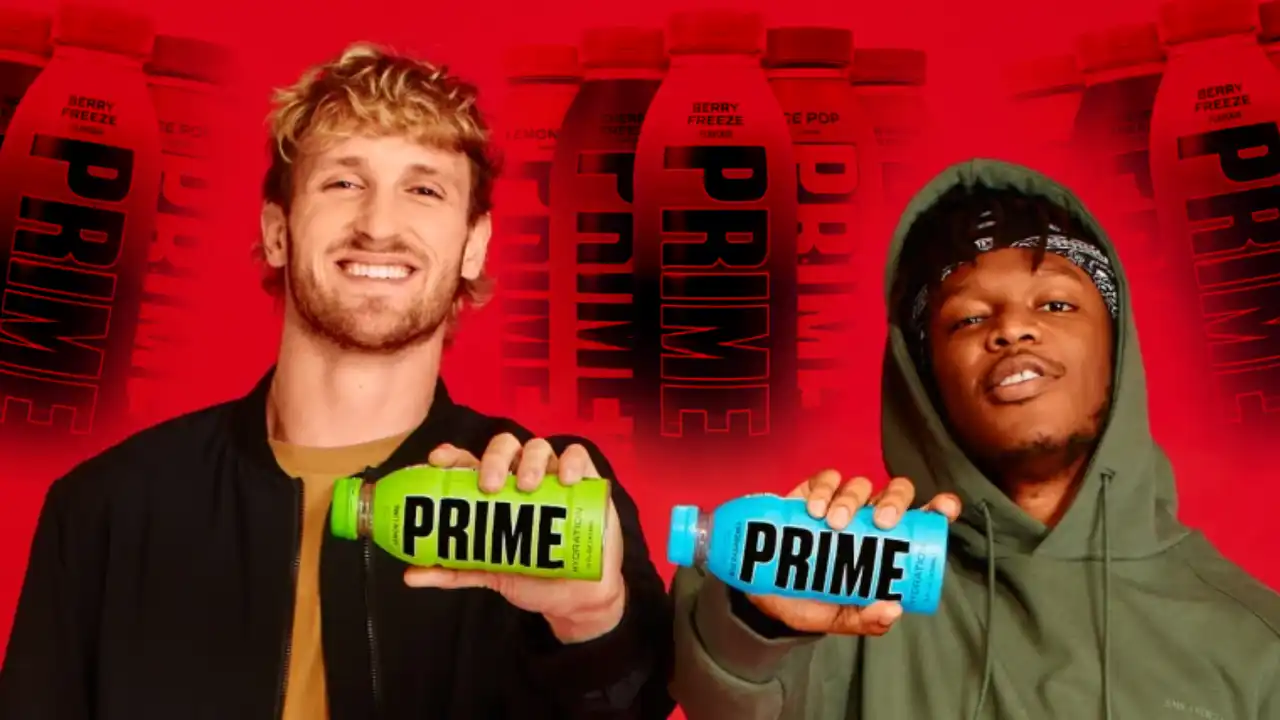
The golden era of influencer-led beverages might be coming to a screeching halt. Just a year after Logan Paul and KSI celebrated selling their billionth bottle of Prime, the brand that once saw teenagers brawling in grocery store aisles is reportedly facing a staggering 70% drop in revenue in the UK and an overall profit crash of 90 percent.
What was once a status symbol being resold for over $1,000 is now being spotted in bargain bins, leaving fans and critics alike wondering if the hype machine has finally run out of steam.
Industry insiders and digital commentators are pointing to a predictable pattern in the modern influencer economy. While Prime was the fastest-growing drink company in history during its first year, generating over $250 million, the trend forecast suggests the bubble has burst.
One social media commenter noted that the founders have already made their money, and if the brand closes shop tomorrow, they will simply move on to the next venture because the initial goal of the hype cycle was already achieved.
Logan Paul, however, is not going down without a fight, or at least another product launch. Taking to Instagram to share his latest innovation, the WWE star recently announced Prime Protein.
This new line, featuring 32 grams of protein and a trademarked protein lock technology, has already sparked a massive debate online.
Critics are quick to point out that the technology bears a striking resemblance to filtration methods used by legacy brands for decades, leading to accusations that the brand is simply repackaging old science as a revolutionary discovery.
The marketing for this new protein venture has been described as a masterclass in modern attention-seeking. To promote the shake, Logan Paul faked a fight with fitness influencer Bradley Martin, a move that left social media in shock before the promotional nature of the stunt was revealed.
This type of high-stakes, drama-driven marketing has become a hallmark of the Paul brothers’ business model, where the goal is to keep the audience constantly engaged, regardless of whether the sentiment is positive or negative.
There is also growing concern regarding the target demographic for these products. Analysts have observed a calculated pipeline in which young fans who started with hydration drinks at age 12 are now being marketed high-caffeine energy drinks at age 14, followed by muscle-building protein shakes as they enter high school.
This strategic ageing up of products ensures that the influencer can monetise their audience through every stage of development, even as the quality of the original products faces intense scrutiny from health experts and regulatory bodies.
Despite the headlines claiming the brand is dead, the numbers tell a more complicated story. Prime reportedly remains a top-five player in its category, pulling in $415 million over the last year.
This suggests that while the viral craze has cooled, the brand has successfully embedded itself into the retail landscape. Whether it can survive the transition from a viral trend to a sustainable legacy brand remains to be seen, but for now, the industry is watching closely as Logan Paul continues to pivot his strategy in the face of mounting criticism.