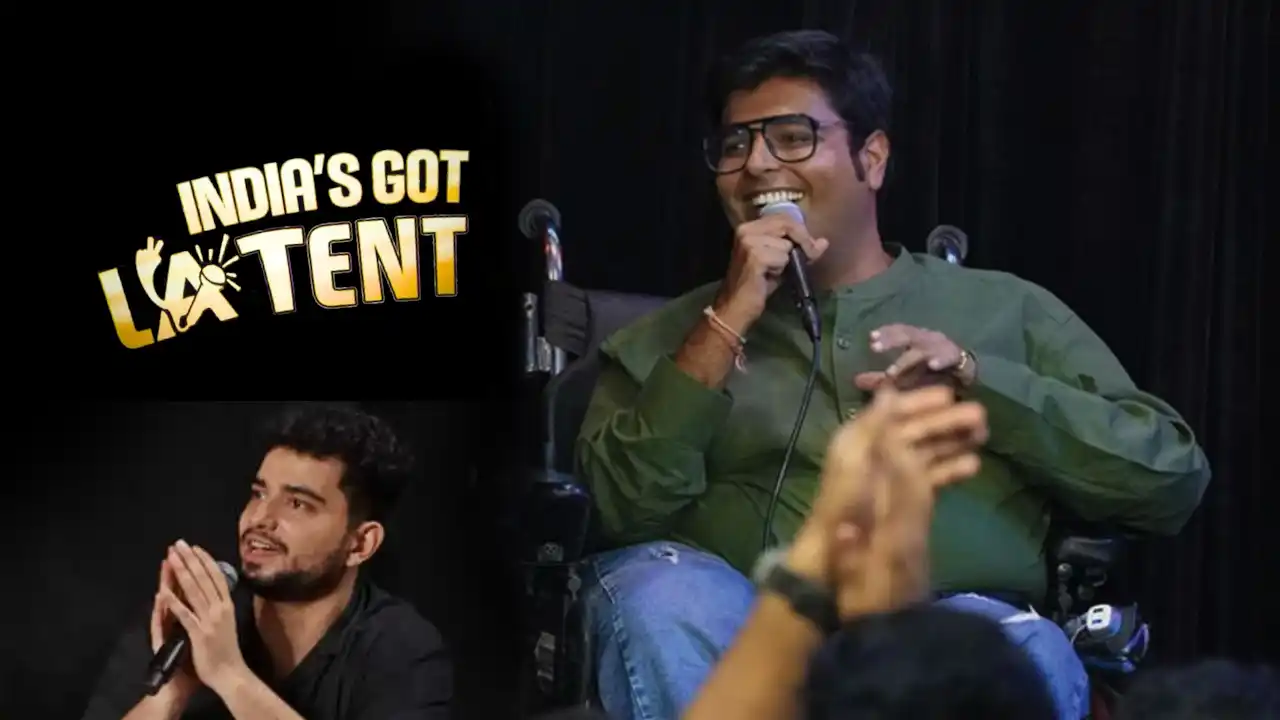
Karan Shah, a YouTuber and a past contestant on India’s Got Latent (IGL), has responded to the Supreme Court’s directive asking IGL comedians to publicly apologise for mocking people with disabilities. Shah himself lives with a disability and used his Instagram video to raise pointed questions about societal treatment of disabled individuals.
Shah asked, “If the government can make our fun, why can’t a comedian?” He highlighted how government hospitals have made jokes at his expense, yet he still hasn’t received his official disability card despite numerous visits.
He challenged this inconsistency by noting,“If a multiplex like PVR can brand their spaces as accessible or for disabled persons, then why can’t a comedian joke?”
In his video, Shah spotlighted broader accessibility failures across India. He emphasized the lack of access in public transportation, stating, “If Indian transport can make fun of a person with disability, then why can’t a comedian?”
Through his personal experience, he expressed frustration over being recognized for his talent rather than his disability, receiving autographs and selfies, yet still being overlooked in terms of basic rights and infrastructure support.
On August 25, 2025, the Supreme Court ordered comedians, including Samay Raina, to post video apologies for insensitive remarks made about persons with disabilities during a stand-up segment on India’s Got Latent.
The court ruled that making money from such content is unacceptable and emphasized that freedom of speech does not extend to commercial content that harms vulnerable communities .
The controversy traces back to an episode that aired on YouTube on February 8, which triggered a complaint from the Cure SMA Foundation. Remarks about a baby requiring an expensive medical treatment were widely condemned as insensitive. By August 25, the court had stepped in to insist on public apologies by the content creators .
Karan Shah’s response brings the issue full circle. While the court’s order held comedians accountable for offensive humor, Shah draws attention to how institutional neglect and inaccessible infrastructure also contribute to the marginalization of disabled individuals in India.
His video serves as a powerful reminder that addressing the dignity of persons with disabilities must extend beyond policing speech, prompting a broader reflection on systemic inclusion in public policy and social life.
Shah’s stand not only questions societal double standards but also underscores the importance of meaningful accessibility as the foundation of respect and equality.