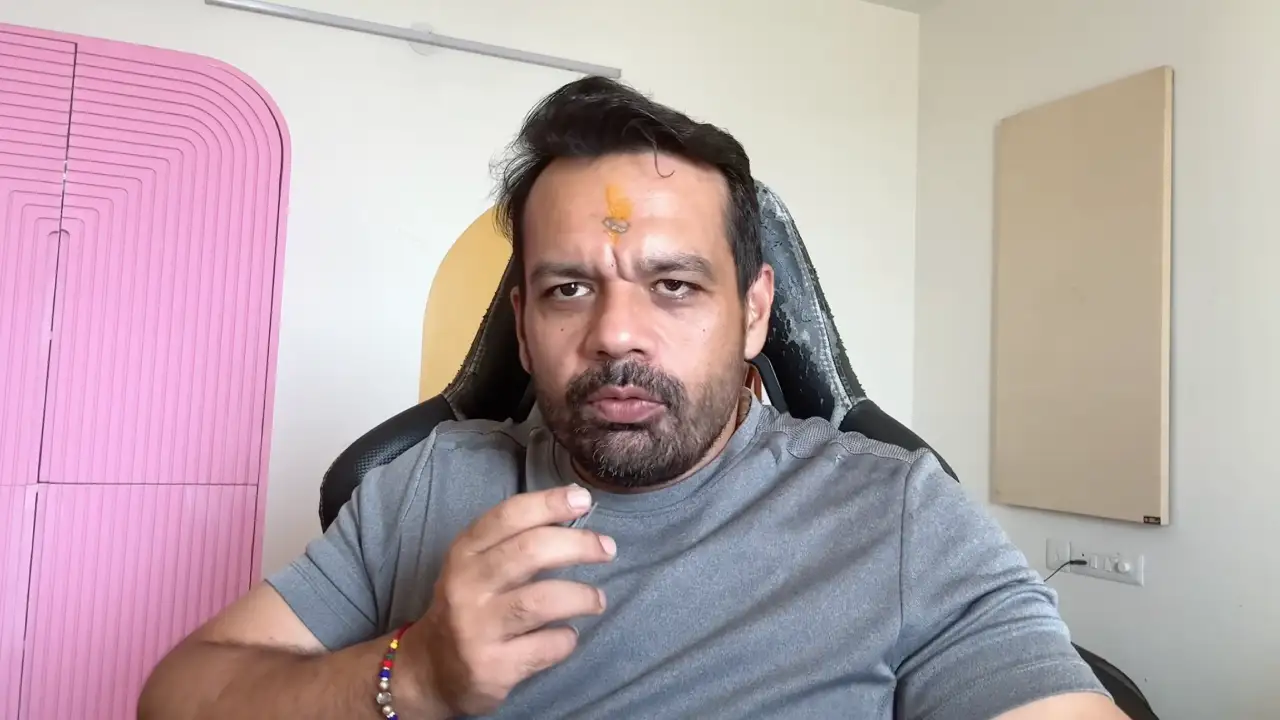

The buzz around the Lenskart IPO has gone beyond just markets and money, it has now sparked a conversation about ethics, transparency, and influencer culture. Financial educator and content creator Pranjal Kamra, known for simplifying complex financial topics for millions of followers, recently called out what he sees as “coordinated PR hype” surrounding the eyewear giant’s public issue.
In an Instagram reel and matching LinkedIn post, Kamra questioned why influencers and media suddenly begin praising a company only when its IPO is live. His post read, “Influencers aur media ko Lenskart ki ‘unbiased’ tareef IPO ke time hi kyun karni hai? Pehle ya baad mein kyun nahi?” (Why do influencers and media only shower Lenskart with ‘unbiased’ praise during the IPO period, never before or after?)
His comments, first reported by Moneycontrol and The Economic Times, have quickly gained traction across social media, opening up a larger debate about how influencer marketing and financial education overlap in India’s booming retail investment scene.
Kamra’s criticism comes at a time when IPO-centric content floods YouTube, podcasts, and Instagram reels, each one promising to decode “the next big thing.” According to his LinkedIn post, these spikes of glowing coverage are rarely coincidental. “IPOs are a great way to identify who is not transparent about paid promotions,” he wrote, suggesting that the timing and tone of such reviews reveal who might be participating in covert advertising.
His message struck a chord among retail investors who’ve grown skeptical of “financial influencers” presenting promotional content as objective analysis. The pattern, Kamra argues, is clear: right before a major IPO, online platforms suddenly overflow with polished reviews, brand interviews, and “deep dives” that often skip the tough questions about risk or valuation.
According to reports from The Economic Times and Moneycontrol, Lenskart’s IPO opened with a price band between ₹382 and ₹402 per share and aimed to raise over ₹7,200 crore. It quickly saw heavy investor participation, becoming one of the most talked-about listings of the year. The Grey Market Premium (GMP), a signal of market interest before official listing, reportedly hovered between ₹46 and ₹85, indicating high early demand.
But even as the IPO gained momentum, the internet saw an equally strong wave of creator-led content praising Lenskart’s profitability, innovation, and leadership. Kamra’s post arrived right as this content surge peaked, prompting many followers to wonder how much of it was authentic and how much was orchestrated as part of a larger PR push.
Pranjal Kamra, who runs Finology Ventures, a finance education platform, urged retail investors not to get carried away by hype or influencer-backed enthusiasm. “Investors should always look for genuine insights rather than hype,” he wrote, reminding audiences that glossy marketing cannot replace solid financial research.
He also warned against “fake profits” or sudden profitability reported by startups in the months leading up to their IPOs, referring to his earlier study of 30 Indian startup listings where many struggled to deliver consistent returns post-listing.
As covered by Finnovate and Acumen Finance, Kamra’s data-backed approach contrasts sharply with the promotional storytelling that often dominates social media in the weeks before major IPOs. His followers have praised him for encouraging financial literacy over click-driven content.
While Kamra’s statements resonated with everyday investors, they also sparked discomfort among influencers and media professionals associated with financial brands. Some defended sponsored collaborations as necessary for business sustainability, while others admitted that clearer disclosures were long overdue.
Meanwhile, Lenskart’s PR team and several influencer partners have continued to emphasize the company’s strong fundamentals, highlighting its profitability, expanding international presence, and next-generation retail technology.
Still, Kamra’s message appears to have struck a deeper chord. Many market observers, including experts quoted by YourStory and CNBC TV18, agree that the growing overlap between financial advice and influencer marketing calls for clearer guidelines on disclosure and paid partnerships.
According to verified sources from The Economic Times, Moneycontrol, and Finology Reports, Kamra’s critique isn’t just about one IPO, it’s about how easily hype can distort investor judgment. As India sees a surge of retail participation in markets, the responsibility to promote ethical financial content is greater than ever.
His stance represents a shift toward accountability in the creator economy, urging influencers to be educators first and marketers second. For investors, the message is simple: don’t buy the story, study the numbers.
Today where social media shapes financial decisions as much as balance sheets do, Pranjal Kamra’s call for transparency serves as both a warning and a reminder. Amid glossy IPO campaigns and trending hashtags, India’s new investors are learning to tell the difference between authentic advice and paid promotion, and that may be the most important financial lesson yet.