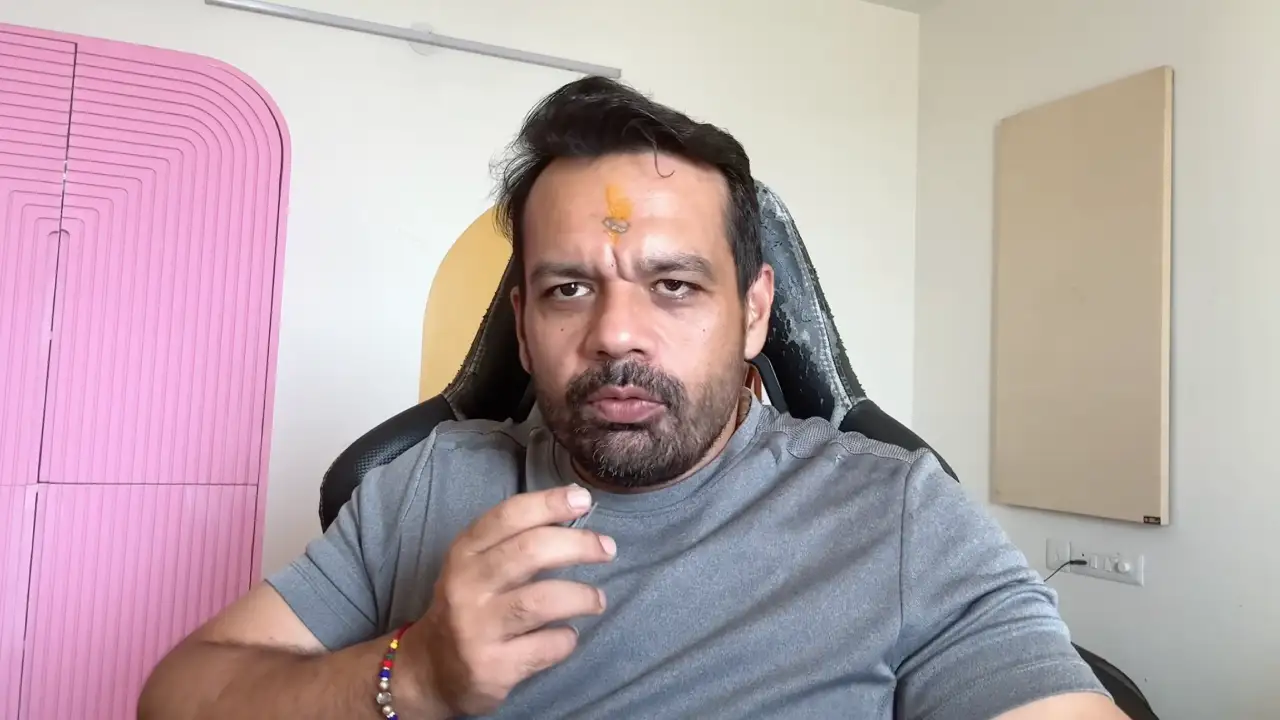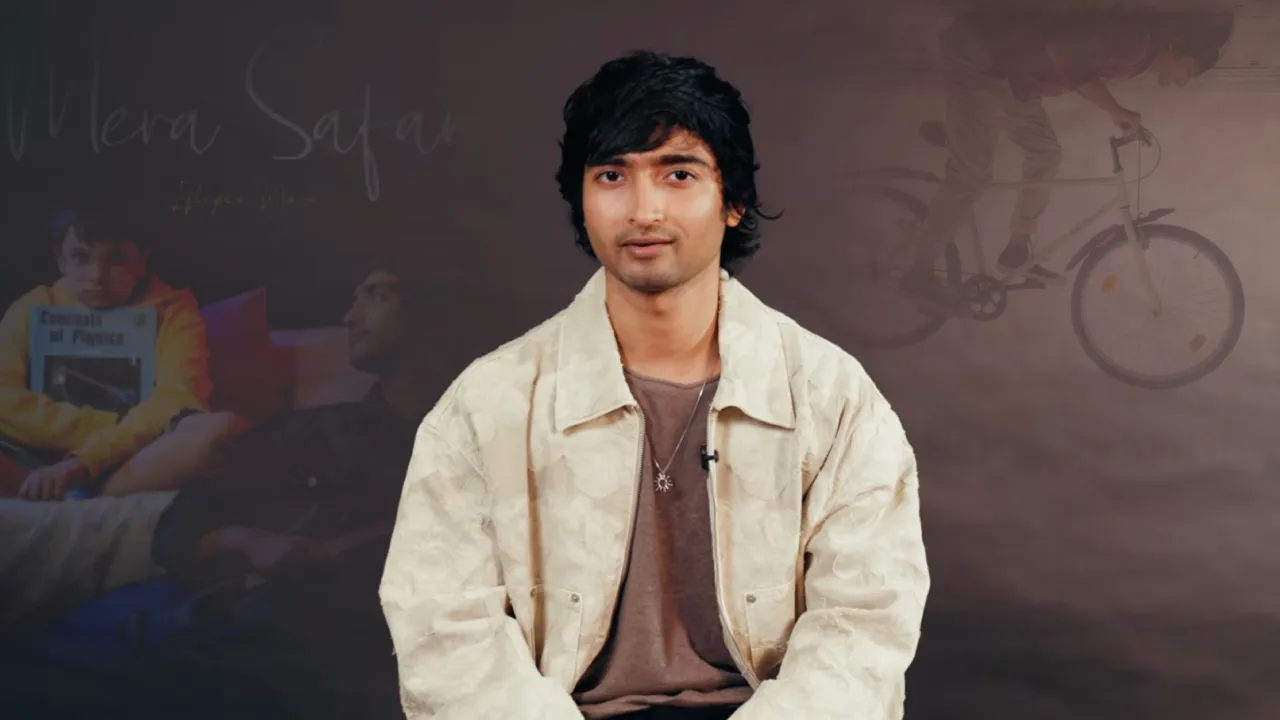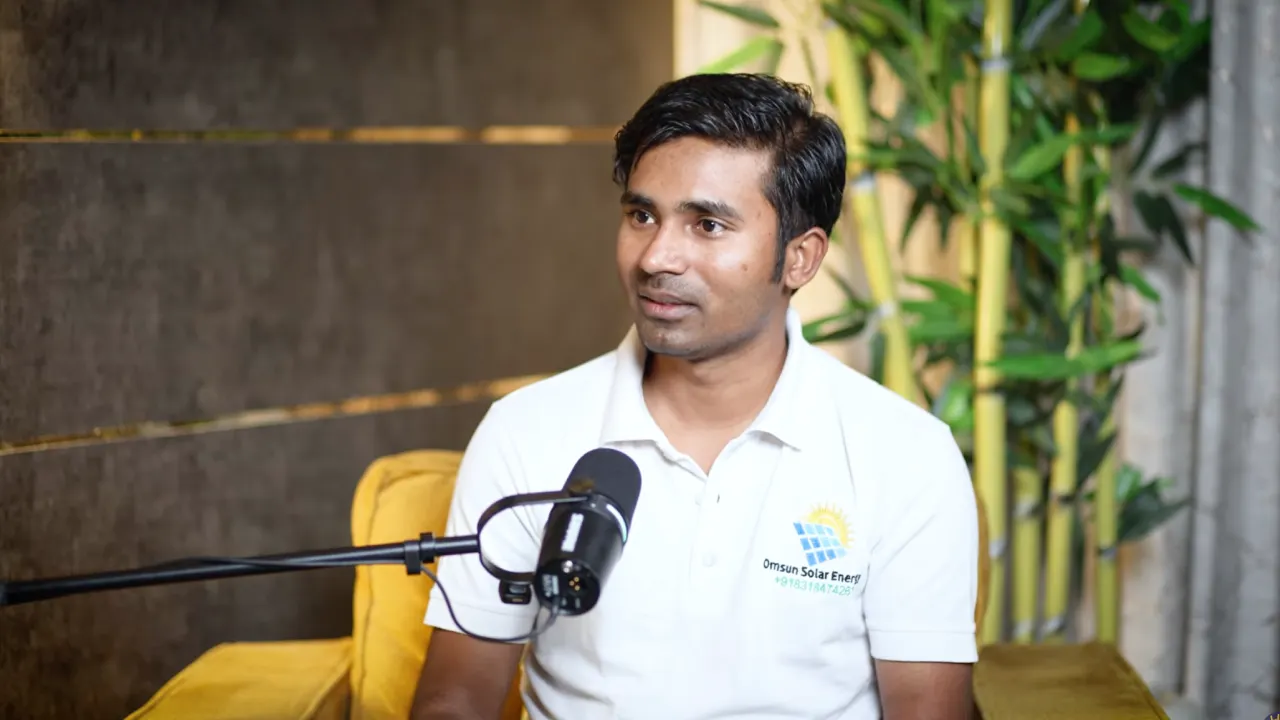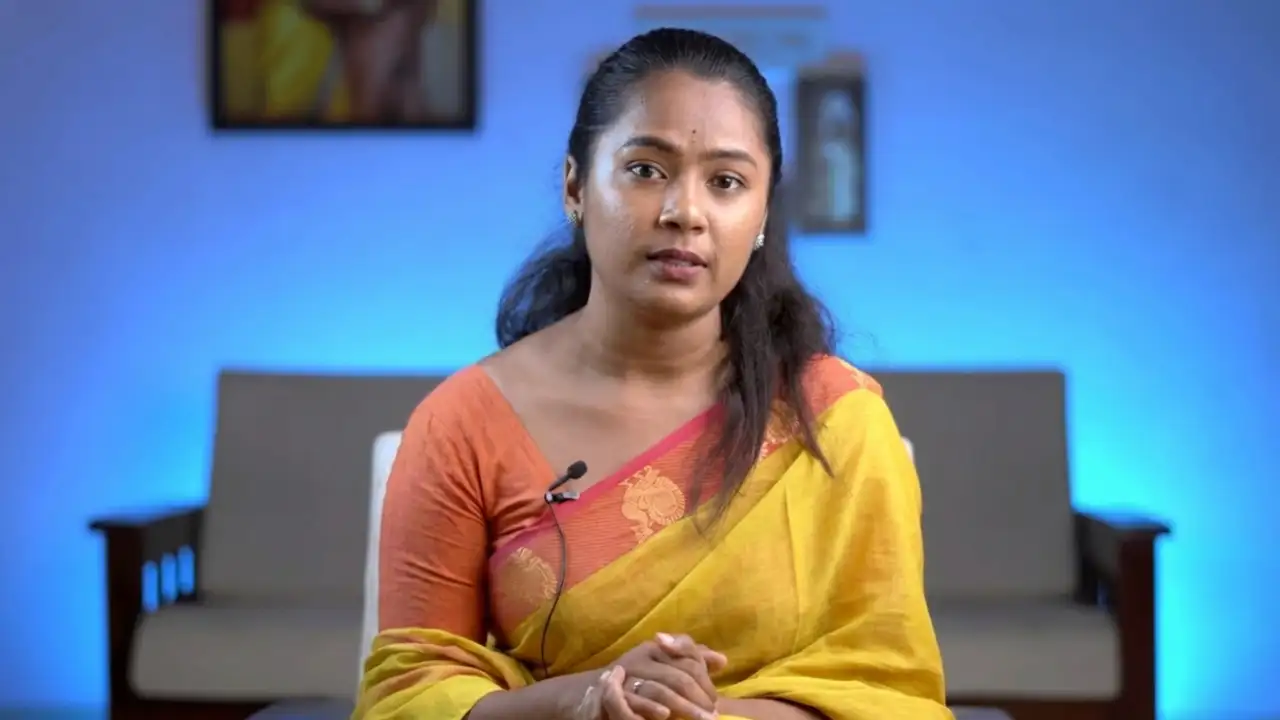
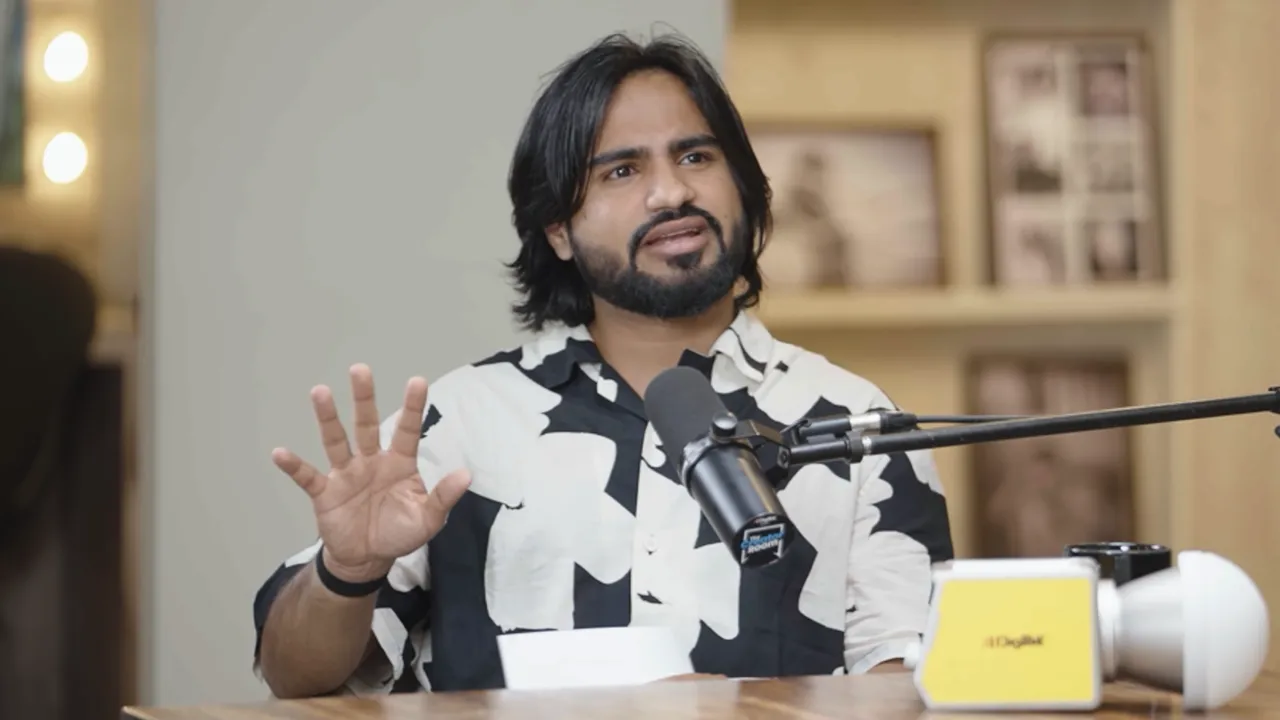
A 25-year-old creator is quietly dismantling the monopoly of traditional 9 PM news debates by doing the one thing TV channels stopped doing: reporting with intent. In a recent conversation on The Creator Room, Sarthak Goswami opened up about his journey from a frustrated journalism graduate to one of India’s most trusted news commentators.
He detailed the rigorous process behind his weekly flagship program, The Sunday Show, and how he manages to keep an audience hooked on serious topics like policy and pollution for over 20 minutes.
The shift from legacy media to YouTube wasn’t just about creative freedom; it was a necessity born out of a broken industry. Goswami described the traditional news ecosystem as “rotting” and financially unviable for young professionals, noting that entry-level salaries in big cities like Delhi and Mumbai often barely cover rent.
This economic reality, combined with a lack of ethical reporting, pushed him to set up a camera in a store room and start his own channel. His goal was simple: marry news with entertainment without sacrificing the facts.
His content strategy is a masterclass in audience retention. Goswami treats his news show like a variety program, breaking it down into distinct segments with different “emotional curves.”
He starts with high-paced headlines to hook the viewer, moves into serious “Core News,” and then offers relief with a “Nonsense News” segment.
This structure allows him to maintain a high Average View Duration (AVD), which is the average time a viewer spends watching a video. A high AVD signals to the YouTube algorithm that the content is engaging, prompting it to recommend the video to more people.
Beyond the studio, Goswami is betting big on high-effort, on-ground reporting. He recently invested heavily in a travel documentary series titled Bihar for Beginners, spending nearly six lakhs to travel with a four-person crew for 25 days.
Unlike his weekly news show, which gets immediate views, this series had a “slow burn” effect. The final episode didn’t perform well in the first 24 hours but gained significant traction weeks later during the election season.
This taught him that quality storytelling has a compound interest effect, where the value of the content grows over time rather than expiring instantly.
Monetization remains a challenge for the news genre, as brands are often hesitant to sponsor political or sensitive content. To counter this, Goswami has diversified his revenue streams.
While he still works with select brands that align with his values, he leans heavily on YouTube’s Partner Program and direct audience support through channel memberships. By offering exclusive segments and early access for a small monthly fee, he has built a loyal community that funds his independence.
For aspiring creators, his advice is rooted in three pillars: intent, originality, and consistency. He warns against chasing short-term clicks with polarizing narratives, arguing that while toxicity might bring followers, it will never build credibility. True influence, he suggests, comes from being the person who does the boring homework so the audience doesn’t have to.