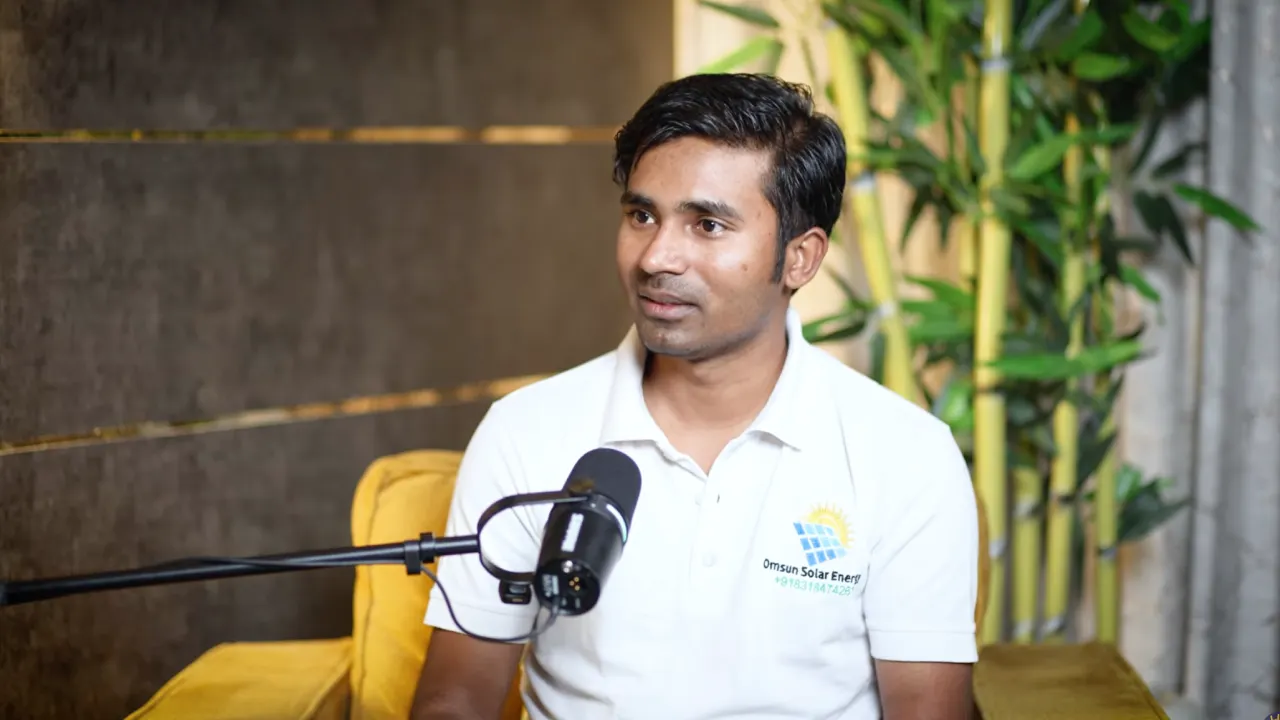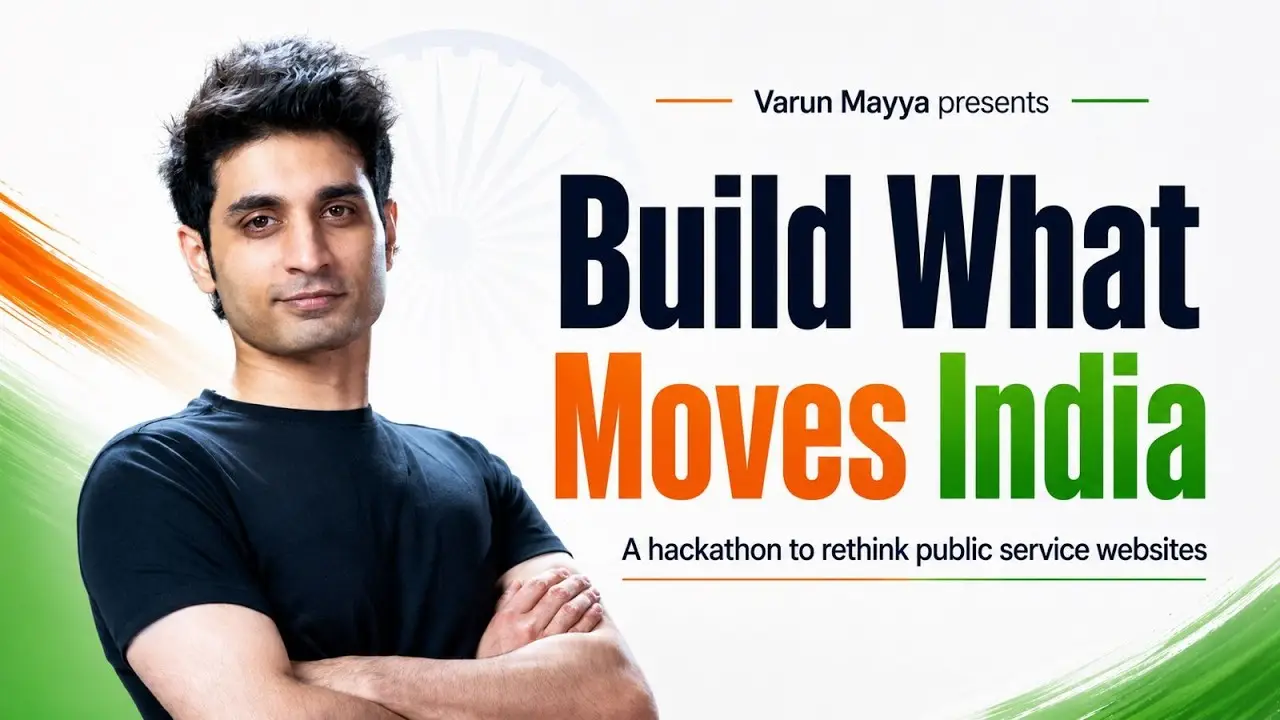

Popular finance content creator and 1% Club founder Sharan Hegde is facing significant social media backlash following his recent appearance on The Ranveer Show, hosted by entrepreneur Ranveer Allahbadia.
During the episode, Hegde detailed a strategy he termed financial engineering, claiming he purchased a used Range Rover Velar, originally valued at ₹1.5 crore, for an effective cost of just ₹35 lakhs.
The advice, which focused on leveraging steep depreciation and credit card reward points, has been met with scepticism from viewers and analysts who argue the narrative is misleading for the average Indian consumer.
Hegde, who manages a massive digital footprint with over 2.9 million followers, explained that luxury vehicles typically lose roughly 50%of their value within the first three years.
He advised aspiring creators to skip the showroom and buy 3-4 year-old models with low mileage, specifically under 40,000 kilometres, to avoid the high initial registration fees and taxes paid by the first owner.
To further reduce the price, Hegde claimed that by paying a portion of the ₹60-lakh used price via credit cards, he earned ₹2.5 lakhs in cashback, ultimately bringing his monthly EMI down to ₹20,000 or ₹30,000, compared to the 3 to 4 lakhs required for a new model.
The backlash intensified as critics began dismantling the mathematical logic presented in the viral clip. Industry analysts pointed out several inconsistencies, noting that a new car and a three-year-old vehicle are different products with vastly different risk profiles.
A major point of contention was the omission of exorbitant maintenance costs and reliability issues associated with out-of-warranty luxury SUVs. Critics noted that a single major repair on a Range Rover could cost upwards of ₹5 lakhs, potentially wiping out the savings Hegde claimed through his credit card strategy.
Furthermore, the feasibility of the credit card “hack” was called into question. Analysts challenged the existence of standard credit cards that offer ₹2.5 lakhs in pure cashback on a ₹10-lakh transaction without massive processing fees or specific elite-tier requirements that are unavailable to the general public.
There is a growing concern that such advice is “deceptive,” as it targets a mass audience while relying on financial tools only accessible to the top 0.1% of earners.
The heated debate underscores a growing demand for transparency and accountability in the Indian personal finance space, as followers begin to look past viral success stories to find practical financial realities.