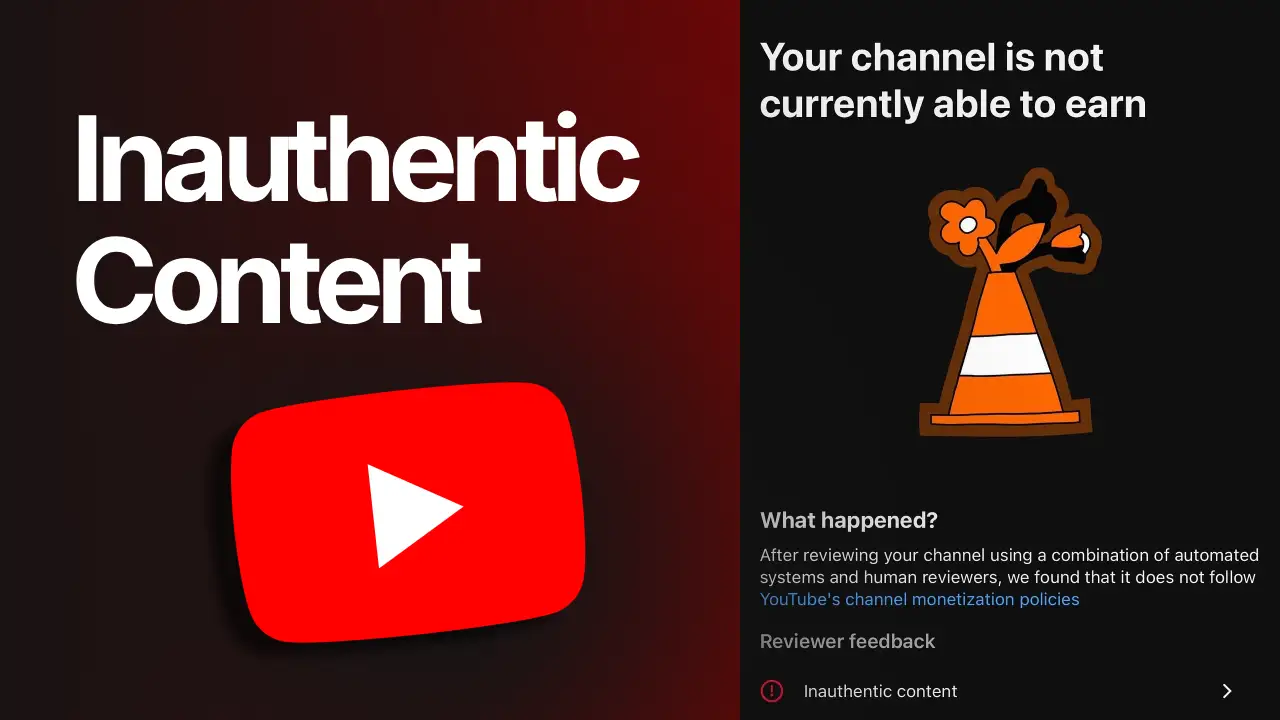
YouTube has updated its inauthentic content policy for 2026 to crack down on channels that rely on low-effort, mass-produced, and repetitive material.
The platform is increasingly prioritizing a human touch, warning that channels failing to provide original value or unique commentary face immediate de-monetization.
This move aims to ensure that viewers are presented with high-quality content rather than recycled or automated clips that offer little educational or entertainment value.
The updated guidelines focus on three primary categories of restricted content. The first is low-effort content, which refers to videos where a creator adds no significant input, such as reaction videos where the individual simply sits in front of a camera without providing analysis or humor.
Repetitive content is also a major target for the platform. This occurs when a creator uses the same photos, video clips, or audio across multiple uploads.
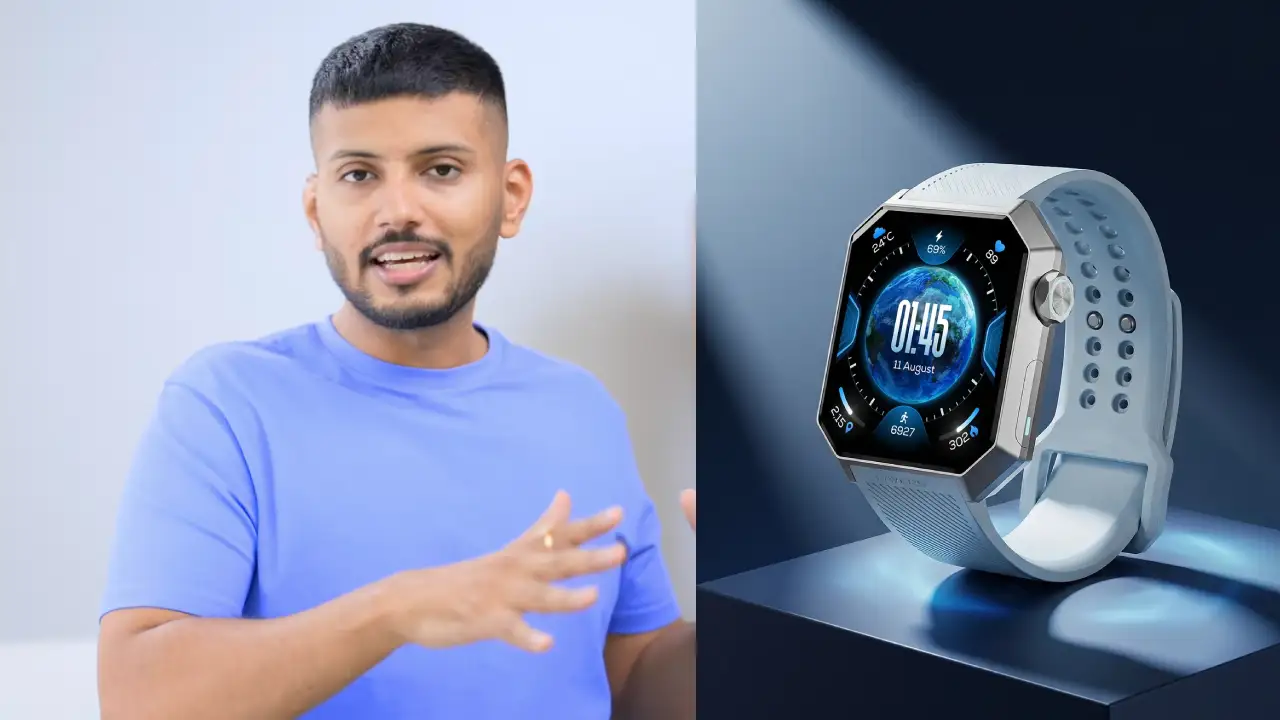
For example, a tech reviewer who uses the exact same B-roll footage for different smartphone reviews could be flagged for violating this policy.
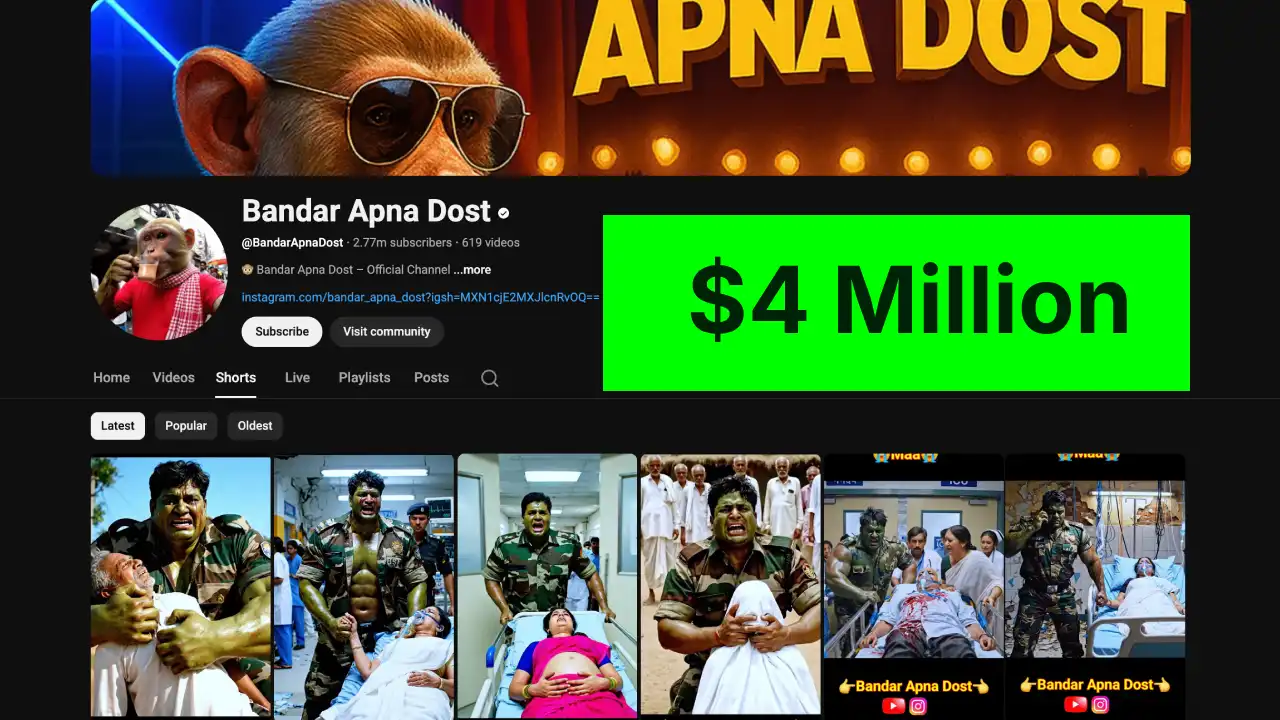
The final pillar of the crackdown is mass-produced content. This involves producing a high volume of videos based on a single template, such as storytelling channels that use the same AI-generated script and visuals while only changing character names.
Inauthentic content: Content that appears mass-produced or repetitive to increase views without adding significant educational or other value.
YouTube officials stated that while AI tools are not explicitly banned, using them to churn out identical content without modification will lead to a loss of monetization features.
Monetization refers to the ability of a creator to earn revenue from their videos through the YouTube Partner Program. When a channel is de-monetized, it loses the ability to run ads, which is often the primary source of income for professional influencers.
To stay safe, creators are encouraged to incorporate a human touch into every upload. This can be achieved through showing one’s face, using a personal voiceover, or providing deep analysis and unique editing.
Even faceless channels, which are videos where the creator does not appear on camera, can remain monetized if they offer original scripts and high-quality animation or commentary.
Aspiring creators should focus on ensuring that at least 95% of each video is distinct from their previous work. While elements like an intro or outro can remain consistent, the core content must provide fresh value to the audience.
This policy shift follows reports of several high-profile channels in the horror and gaming niches losing their earning status due to excessive reliance on internet-sourced clips and automated visuals.