For years, making a living as a content creator followed a very predictable path: build an audience, earn a share of platform ad revenue like YouTube AdSense, and wait for brands to pay you for sponsored posts.
But relying purely on sponsorships isn’t a sustainable way to grow. It treats creators like temporary billboards rather than long-term business owners.
Today, the creator economy is changing fast. Top digital creators are no longer just looking for their next sponsorship deal; they are building their own brands, launching products, and becoming startup founders.
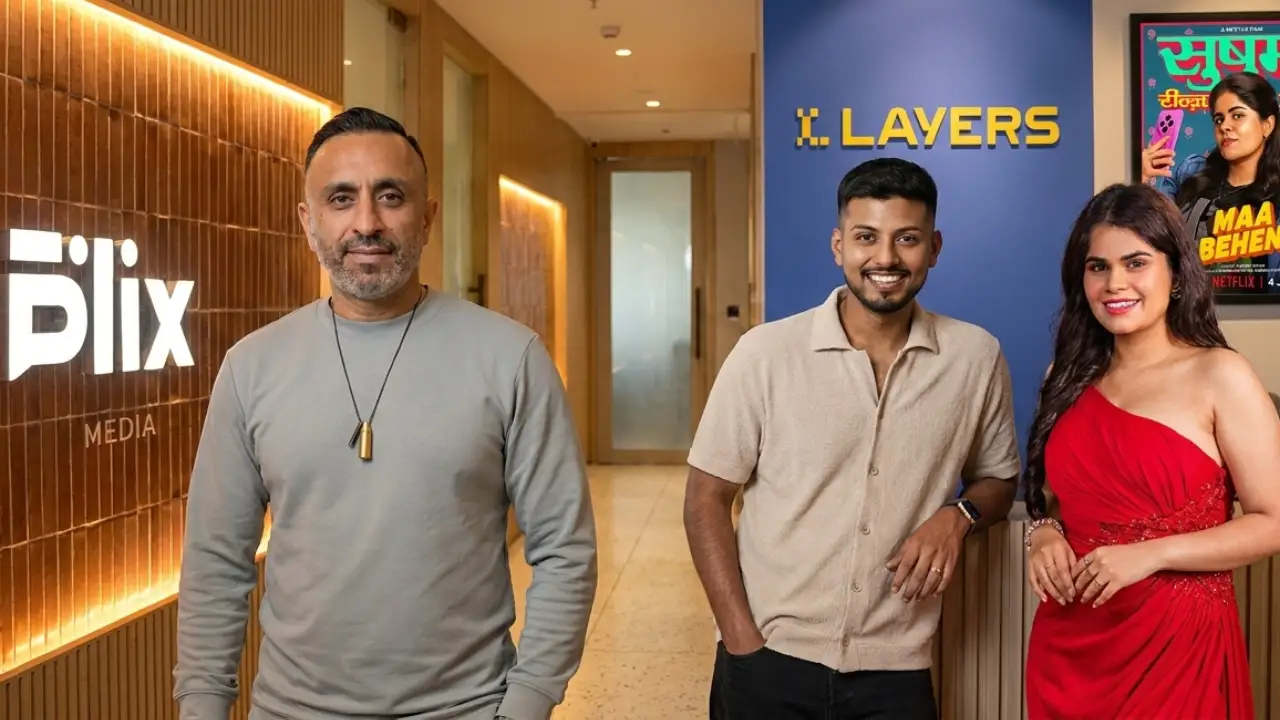
To understand how this shift is happening, I spoke with Jag Chima, the co-Founder of IPLIX Media, one of India’s fastest-growing talent management and influencer marketing agencies. Chima has been involved in the digital landscape since 2008, long before the term “creator economy” even existed.
Here is what I learned from our conversation about how creators are outgrowing traditional brand deals to build sustainable business empires.
Moving beyond “Merchandise” to real value creation
The desire to build a brand has led many creators to take the shortcut of launching basic white-labelled merchandise, such as slapping a logo on a standard T-shirt.
While this can serve as a decent side hustle to pull in quick revenue from core fans, Chima cautions that it is inherently short-lived and rarely turns into a massive business.
To build a large-scale business, creators must think bigger and build products that people would buy even if they didn’t know who the creator was.
For instance, Layers is a highly successful consumer tech brand co-developed with prominent tech creator Tech Burner, which scaled rapidly from specialised mobile phone skins into smartwatches.
Similarly, fitness creators like Flying Beast are launching specialised health and supplement brands that directly serve their fitness-focused followers.
At the same time, lifestyle creators like Kusha Kapila are building their own clothing or beauty lines tailored perfectly to their audience’s style.
Selling where people shop, not just where they watch
When creators transition into brand founders, they need to fundamentally change how they look at creator-businesses.
Instead of relying on social media presence to sell, they should focus on building a robust, independent retail infrastructure across multiple layers to beat algorithm-dependency and platform centralisation.
As Jag Chima points out, creators must look at social media as just a tool to get people’s attention at the start, making sure their products are available on real, independent shopping platforms where people go specifically to buy things.
He highlights this strategy with the example of Bombay Shaving Company, noting that while they use creators to boost content, they also run ads and maintain strong placement on quick-commerce apps like Zepto and Blinkit, as well as e-commerce marketplaces like Amazon.
This omnichannel approach effectively transforms a creator’s brand into a standalone retail business. Even if views drop on Instagram or YouTube, consumers will still find and buy those products directly through intent-driven shopping searches.

Transitioning into mainstream entertainment and cinema
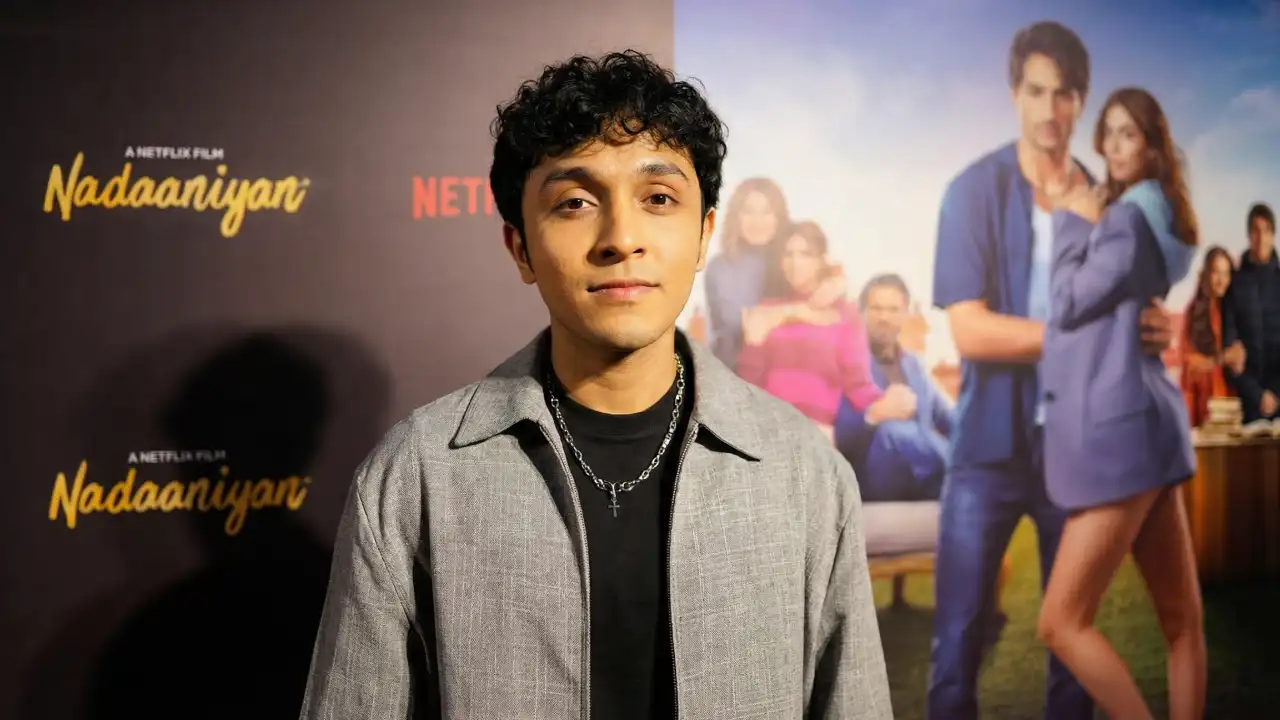
Growing beyond branded content isn’t restricted to physical consumer goods; some creators are also breaking into mainstream media, acting and Bollywood.
In the past, internet creators looked to big movie industries for validation or small guest roles. Today, that has completely changed because top creators often have much more reach, higher daily views, and stronger connections with their audience than traditional movie stars.
Talent agencies like IPLIX and Monk Entertainment are using this power shift to pitch creators directly to major film production houses, showing how a creator’s loyal community can help a movie studio get more viewers and market their films.
The journey of creator Dharna Durga, who successfully transitioned into mainstream acting, is a great example of this shift. She initially made her big-screen appearance as the female lead’s best friend in the romance-comedy Sunny Sanskari Ki Tulsi Kumari.
Following that, she made a major leap into mainstream cinema by scoring a parallel lead role in the dark comedy-thriller film Maa Behen, sharing screen space alongside major Bollywood stars like Madhuri Dixit and Triptii Dimri.
However, making this leap requires a lot of hard work behind the scenes. To help a creator become a professional actor, management teams bring in expert help, like creative directors, dance choreographers, and fashion designers, to improve every single detail of the creator’s videos.
Why creators need agencies to make the leap
While the concept of a creator launching a brand or an acting career is highly attractive, the operational reality is unforgiving.
Statistically, nearly 90% of solo creator product ventures fail shortly after launch because creative talent rarely possesses foundational business expertise.
Being great at making videos does not automatically translate to being a good business person. Over our conversation, Jag Chima was very blunt about the reality of jumping in without a plan.
Running a real product brand requires a massive amount of specialised operational knowledge, including calculating cash burn rates, managing manufacturing logistics, handling warehouse packaging, and setting up fulfilment.
Because creators cannot manage complex product development and content creation all by themselves, talent management agencies have stepped in to handle the heavy business lifting.
IPLIX Business Division (IBD) spend six months to a year conducting deep market research and looking for product gaps before ever matching a business model with a creator.
This allows the creator to focus entirely on content creation and creative strategy while the talent agency’s dedicated business team handles the corporate backend, capital allocation, and logistics execution.
Moving beyond influencer lifecycle
Ultimately, the drive to grow beyond branded content comes down to financial survival. Relying solely on sponsorships exposes creators to extreme financial risks, which Chima compares to the lifecycle of a professional athlete.
He notes that in the olden days, any athlete would earn good money when they were at their peak because everybody could see them. They would get lots of opportunities for ad sponsors and brand collaborations. But when somebody else takes that spotlight, the brands slowly lose interest in working with them, and the creator economy is exactly the same.
If a creator’s entire income is tied to their active daily content production, they are highly vulnerable to creative burnout, personal disruption, illness, or shifting platform algorithms.
By using their initial audience capture as baseline capital to fund independent consumer brands and permanent content IPs, the new-age creators are successfully establishing long-term corporate enterprise value.
Supported by talent management agencies, a content creator is no longer just a participant in the digital ecosystem; they are becoming the new architects of consumer brands.