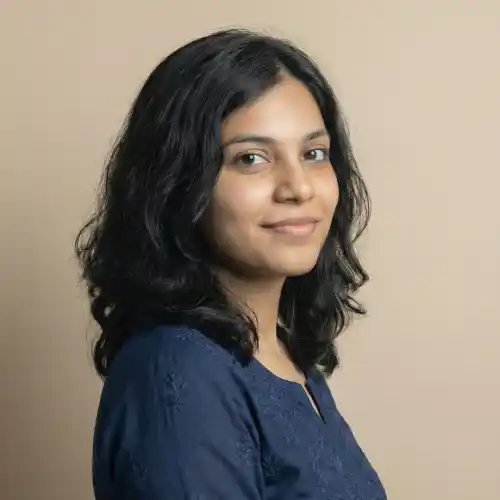
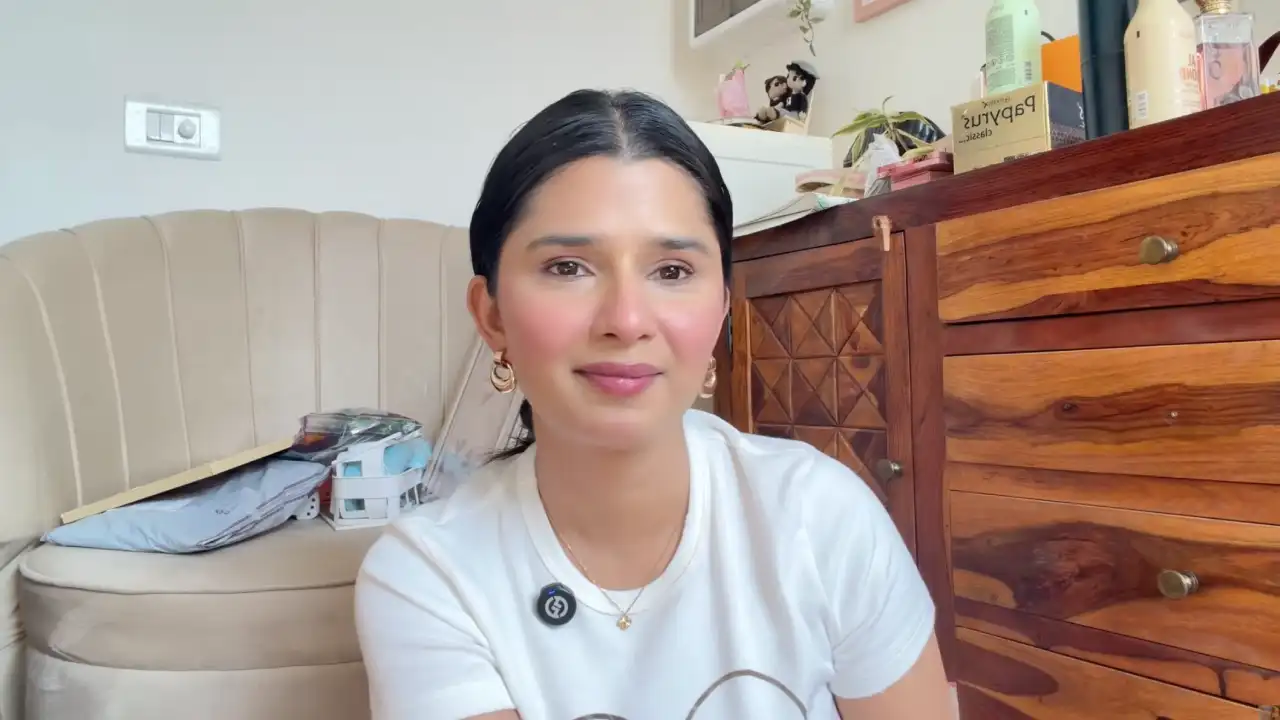
Popular lifestyle creator and YouTube personality Rupal Yadav revealed she has been diagnosed with Alopecia Areata, an autoimmune condition that causes sudden hair loss in small, circular patches.
Speaking in a detailed video update, Yadav shared that she discovered a bald patch while at a salon for a haircut earlier this year.
The creator explained that the diagnosis sent her into a state of shock and significantly impacted her mental health, leading to increased health anxiety.
The diagnosis occurred during a period of high personal stress, which Yadav identified as a primary trigger for the autoimmune response.
Alopecia Areata occurs when the immune system mistakenly attacks hair follicles, leading to hair loss on the scalp or other parts of the body.
While the condition is not life-threatening, Yadav emphasized the psychological toll it took, including a period of social withdrawal and a loss of motivation to create content.
Yadav has been undergoing treatment involving localized steroid injections and supplements like zinc and iron to boost her immunity and address deficiencies.
She noted that while progress has been slow, recent checkups have shown signs of hair regrowth in the affected area.
To manage the mental strain, she has also initiated therapy, highlighting the importance of mental well-being for those working in the high-pressure creator economy.
The lifestyle influencer, known for her vlogs and fashion content, expressed gratitude to her audience for their continued support during her periods of inconsistency.
Rupal Yadav’s transparency highlights a growing trend of creators addressing the physical and mental costs of digital fame.
She urged her followers to prioritize stress management and self-care, noting that the mind’s fight-or-flight response can have tangible physical consequences.
Yadav intends to remain active as her health permits, though she acknowledged that her content style may shift as she focuses on her recovery.
She joins a growing number of Indian creators who are breaking the silence on health challenges to foster a more authentic connection with their communities.
By sharing her experience with Alopecia Areata, she aims to raise awareness and provide support for others navigating similar autoimmune conditions.