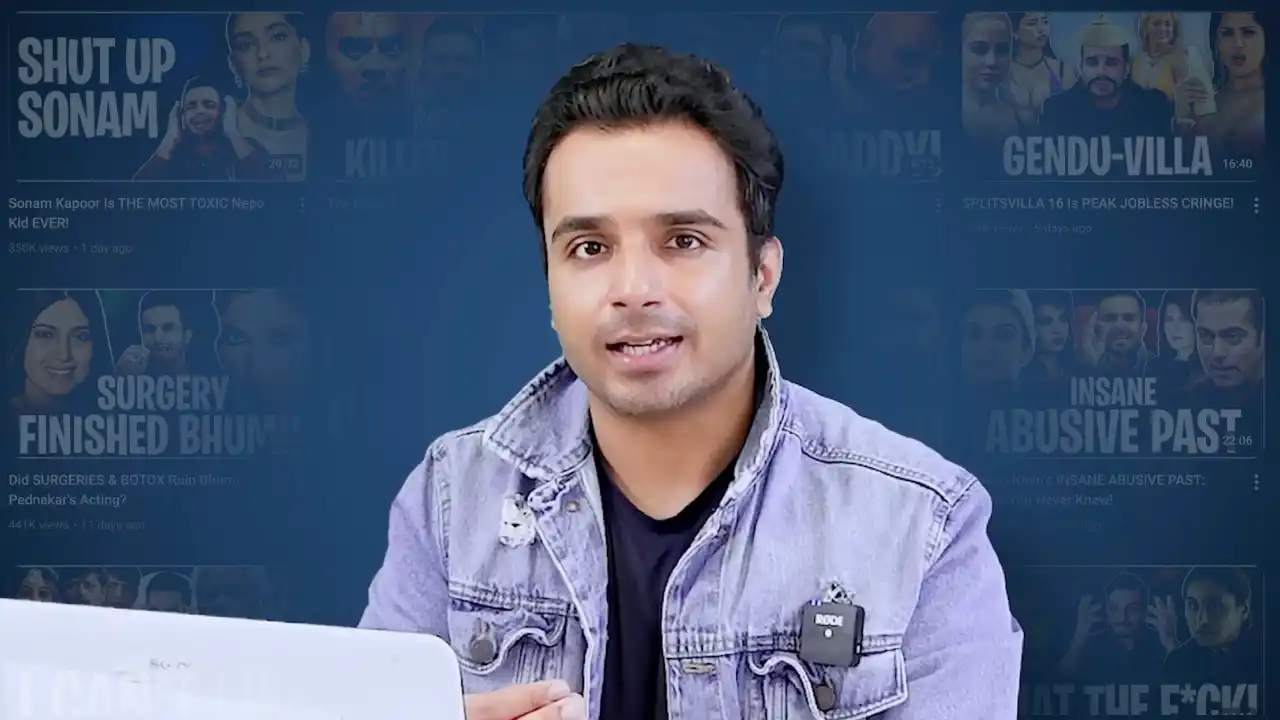

Satirical news creator Sarthak Goswami has finally addressed the long-standing speculation regarding his sudden departure from The Deshbhakt, a prominent YouTube news channel led by veteran journalist Akash Banerjee.
Goswami revealed that the split was triggered by growing internal friction over workload and a definitive “show cause” notice that prohibited him from continuing his signature segment.
The creator explained that the move to go independent was born out of a necessity to protect his creative freedom and his “brainchild” show, Hafta Nikaal.
The tension began when Goswami, then an intern-turned-lead-satirist, found himself overwhelmed by the dual responsibility of writing scripts for Banerjee while also producing his own weekly show.
Goswami requested a reduction in his scriptwriting duties to focus more on refining the satirical content of Hafta Nikal, which was attracting up to 8 lakh views per episode at the time. However, the management declined this request, suggesting instead that he should reduce his focus on his own show.
This disagreement escalated into a formal dispute when Goswami received an email on a Friday morning, just as he was preparing to record, stating that he was no longer permitted to produce Hafta Nikaal.
The creator described the situation as being framed under “disciplinary reasons,” which eventually led him to resign rather than abandon the show he had built.
Sarthak Goswami noted that the environment had become one where his individual contribution was being minimised, with management suggesting the channel would thrive even without his specific presence.
Following his resignation, Goswami faced legal and professional threats regarding content rights. To avoid a legal battle over the branding of his previous work, he meticulously rebranded his new venture as the Sunday Show.
This involved changing the name, the theme music, and even the “chapter heads” to ensure his new independent channel was legally distinct from his work at The Deshbhakt.
The transition was marked by significant financial hardship, as Goswami refused to spark a public controversy or use his former employer’s name for clout.
He moved into a small store room and rebuilt his career from scratch, choosing to let his work speak for itself rather than engaging in “dirty linen” washing.
He expressed a sense of pride in having reached his current success through hard work rather than manufacturing a scandal.
Today, Goswami operates his own professional studio in Noida and manages a growing team of editors and researchers. He maintains that while the exit was difficult, it removed his “fear of loss,” making him a bolder writer and creator.
He emphasized that the experience taught him the importance of being an “honest creator” and remaining loyal to the audience that followed him through his transition to independence.