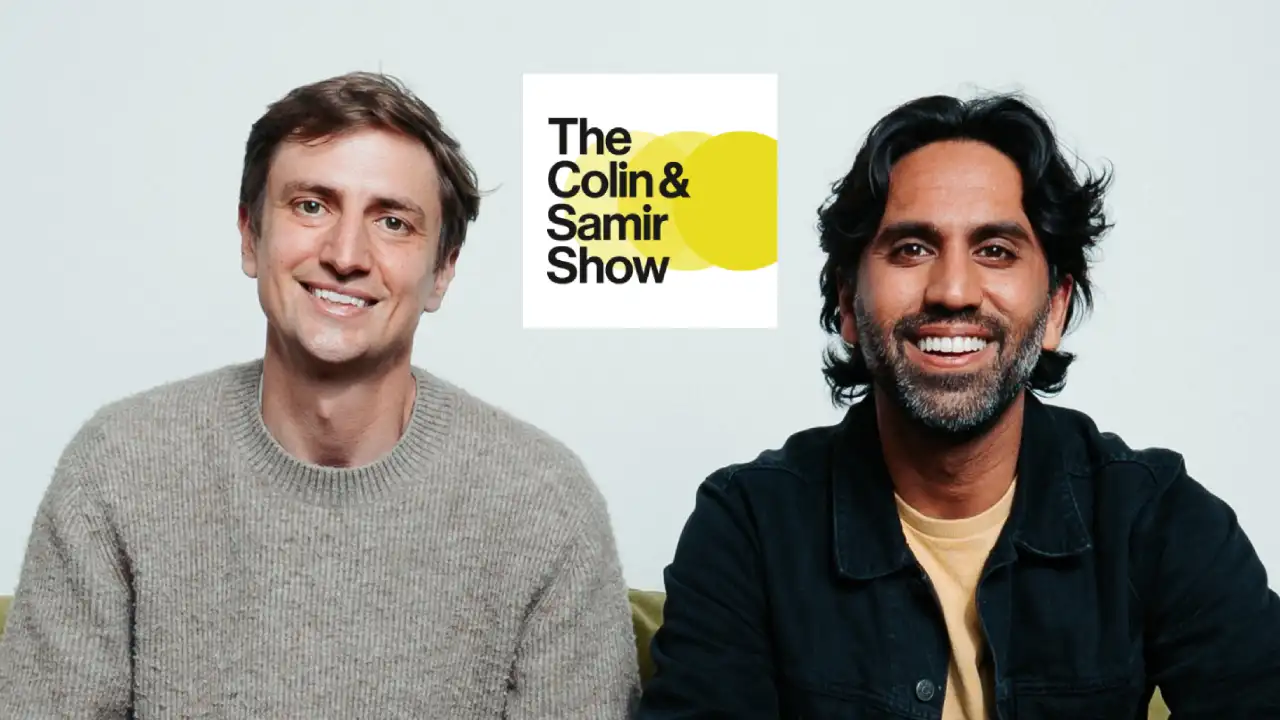
In a striking turn for digital media, Colin Rosenblum and Samir Chaudry, long-time YouTube creators, have successfully transformed their channel into a powerhouse podcast. According to Rephonic’s podcast data, The Colin and Samir Show holds the position of #1 in the United States under the Business Podcast category as of late 2025.
Their path to this milestone began well before the charts. As longtime collaborators, Colin and Samir initially created sports-related content via The Lacrosse Network before pivoting to a new focus: building, analysing, and celebrating the creator economy itself.
Their YouTube channel, coined Colin & Samir, became a platform for interviewing top creators, breakdowns of content strategy, and behind-the-scenes looks at digital media business models. Their shift picked up speed as the creator economy matured and interest in its business mechanics soared.
The core appeal of the podcast lies in authenticity and insider access. Rather than recycled startup-buzz or generic entrepreneurship advice, Colin and Samir dive into the nitty-gritty of creator lives from brand deal negotiations and community building to mental health, platform shifts, and monetisation strategy.
Their casual yet elevated tone, combined with thoughtful guests like Steven Bartlett and Casey Neistat, gives the show both relevance and credibility. Their Apple Podcasts listing proudly calls out its focus on the creator economy from a creator’s perspective.
Industry recognition poured in. In July 2025, TIME included them in the prestigious TIME100 Creators list, underscoring their influence beyond pure entertainment into industry thought-leadership.
But rising to #1 didn’t happen overnight. The underlying narrative is one of resilience, reinvention and community focus. Colin and Samir openly discuss the lean years: building audience from scratch, balancing content with strategy, and making the hard decision to shift focus from vertical niches (lacrosse videos) to broad creator-economy storytelling.
The podcast’s success signals that creators themselves now produce premium business media, not just consumers of it.
For listeners and aspiring creators, the show offers more than advice, it offers reflection. Episodes titled like “How The Diary of a CEO became YouTube’s #1 Show” showcase not only big names but also strategic blueprints: niche audience growth, consistent content output, and building trust before monetisation. For many, it feels less like a podcast and more like a masterclass in modern creator business.
The ripple effect is already visible. Colleges, media firms, and creator networks often cite Colin and Samir when discussing the evolution of the creator economy. In an interview with The Washington Post, they explained how YouTube has become the new TV and how creators are rewriting media rules.
Their achievement also hints at broader changes in media: first, that the business podcast genre no longer belongs only to traditional entrepreneurs or legacy media figures; second, that creators can effectively produce and lead thought-leadership content; and third, that audiences are hungry not just for entertainment but for meaningful breakdowns of how influence, content, and economy intersect.
In essence, Colin Rosenblum and Samir Chaudry’s journey from YouTube experimenters to #1 business podcast hosts embodies the creator era’s best-case scenario: building a platform, mastering a craft, expanding into new formats and then owning a niche. For anyone watching or participating in the creator economy, their story offers both inspiration and a roadmap.
Whether you’re making videos, building a brand, or launching a podcast, the lesson is clear: stay curious, keep creating, and invest in your community. Because if the creators become the media, they might just lead it too.