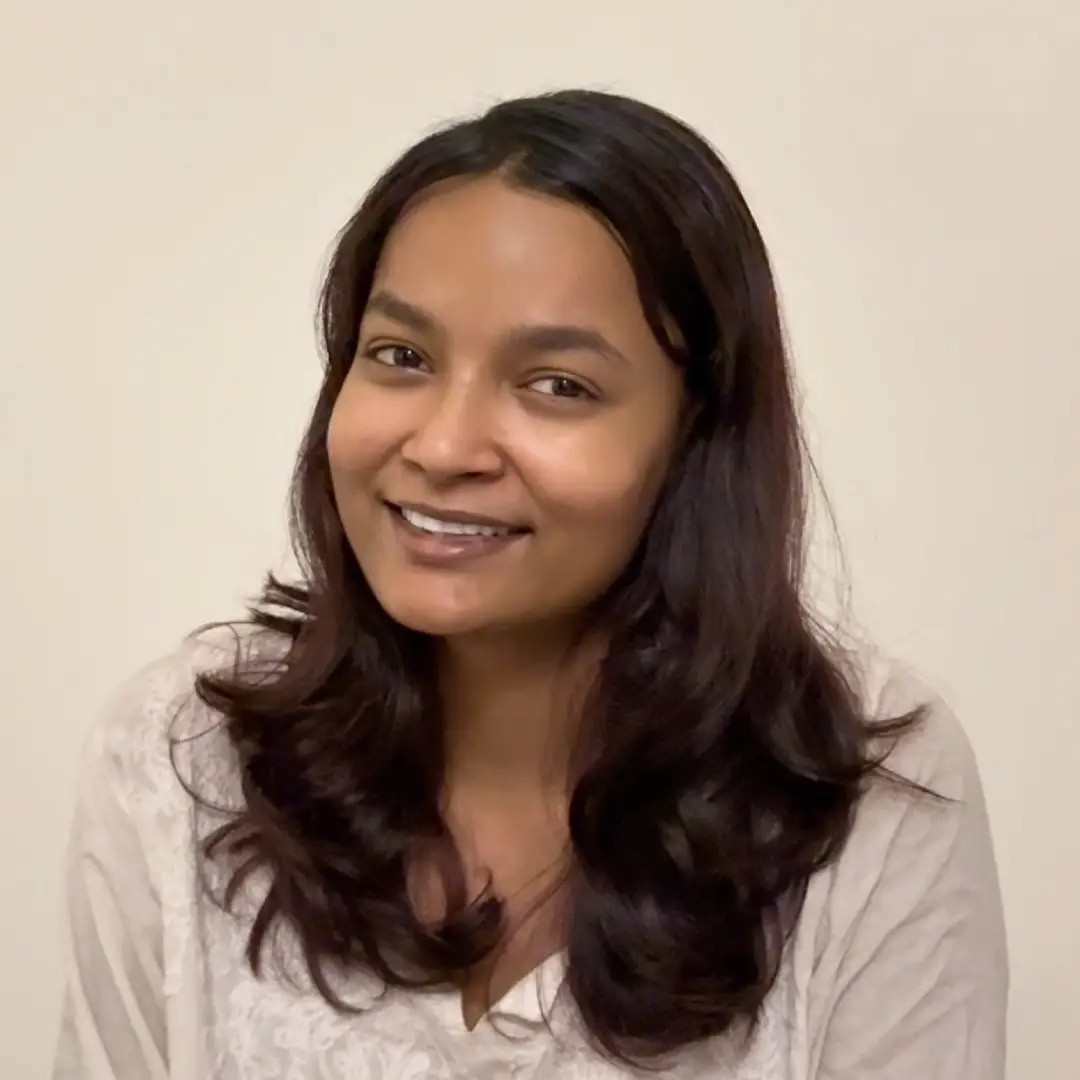

A young medical intern has managed to stir up one of India’s biggest healthcare debates of the year with just one Instagram reel. Dr. Rakshita Singh, an MBBS intern at Midnapore Medical College and a well-known medical educator, recently shared her family’s experience of being billed ₹1 lakh for an emergency caesarean at a private hospital.
In her reel, Singh bluntly called the bill “loot,” sparking outrage, support, criticism, and eventually a flood of national media coverage.
Her video, watched by millions, quickly resonated with families across India who have faced similar situations. Many related to her frustration over whether caesareans are always medically necessary, or if in some cases they are recommended for profit.
The reel has triggered a much-needed public discussion on the real cost of healthcare, unnecessary surgical interventions, and the rights of patients in private medical setups.
But the reaction has been far from one-sided. While many hailed Singh for speaking up, others, especially from the medical community, accused her of generalising and undermining trust in doctors.
Among them was Dr Rahul Chawla, a neurologist trained at AIIMS, who criticised Singh for labelling hospitals and doctors as “looters.”
Chawla argued that unethical practices exist in only a small fraction of institutions, and that painting the entire profession with the same brush harms the credibility of hardworking healthcare professionals.
Some critics also pointed out Singh’s own shortcomings. As an influencer with more than 2.5 million followers, she has faced scrutiny for promoting unregulated supplements and occasionally breaching patient privacy in her content. For these detractors, her call for ethics in the medical field rings somewhat inconsistent.
Still, Singh’s video has opened up a larger conversation about caesarean deliveries in India. Reports show that private hospitals often record C-section rates of 60–80%, well above the World Health Organization’s recommended levels.
Families without medical insurance are left especially vulnerable, with bills that often exceed ₹1 lakh once medicines, post-operative care, and additional charges are added. These rising costs make many feel trapped between urgent medical needs and crippling financial burdens.
The debate is also significant because of Singh’s background and reach. At just 24 years old, she has built a reputation not only as a medical intern but also as a popular educator for NEET UG aspirants.
Her reels and study guidance have made her one of India’s most followed medical influencers. By leveraging her large platform, she has managed to bring healthcare concerns, usually limited to policy papers and activist circles, straight into the feeds of India’s youth.
It is also important to note that Singh is not yet a qualified gynaecologist. She is still completing her MBBS internship, and her reel was based on a family member’s personal experience, the details of which remain disputed. Even so, her words have forced both the public and professionals to confront the tension between affordable healthcare and hospital economics.
In the end, whether one agrees with Dr. Singh or not, her viral reel has succeeded in something rare: turning medical bills and surgical practices into a mainstream conversation.
It underscores the urgent need for transparency in hospital pricing, ethical medical decisions, and careful use of social media influence. What started as a reel from a young doctor-influencer has now become a nationwide debate about trust, money, and medicine in India’s healthcare system.