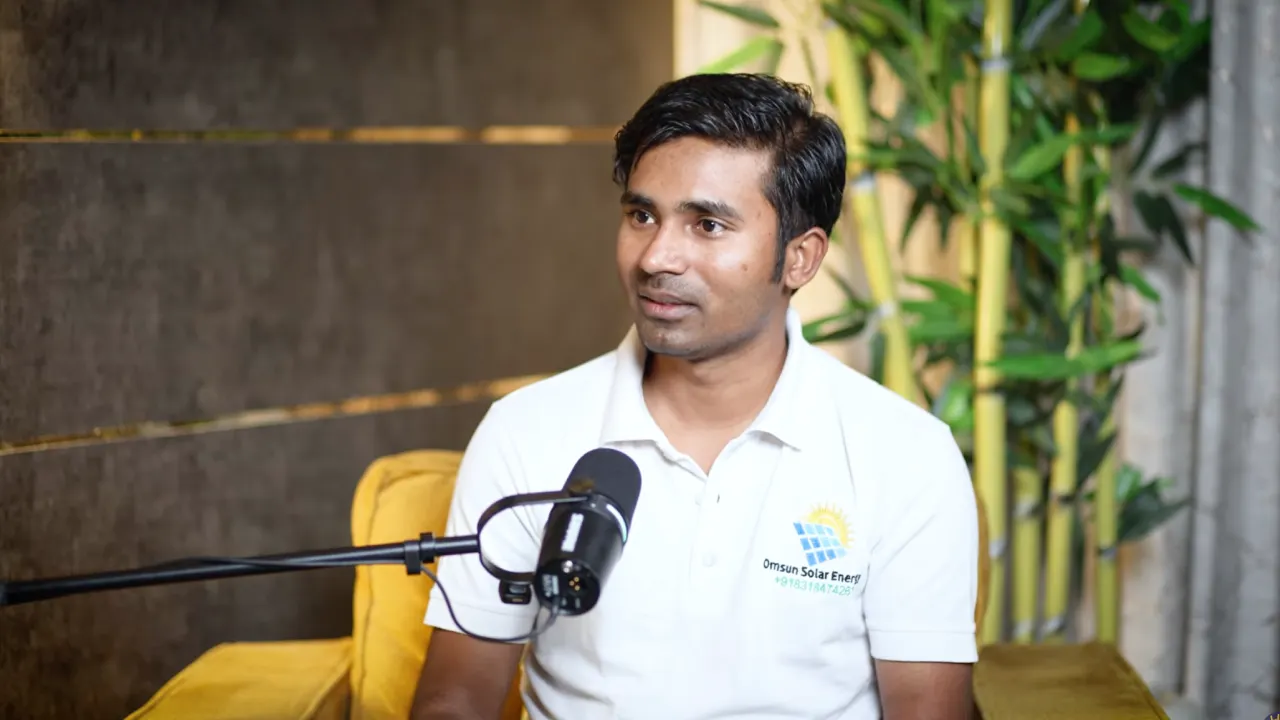
Former rural lifestyle vlogger Daya Shankar Maurya, known for his channel ‘Become YouTuber,’ has transformed his online skills into a clean technology business, scaling his Lucknow-based startup Omsun Solar Energy to an annual turnover of 10 crore rupees.
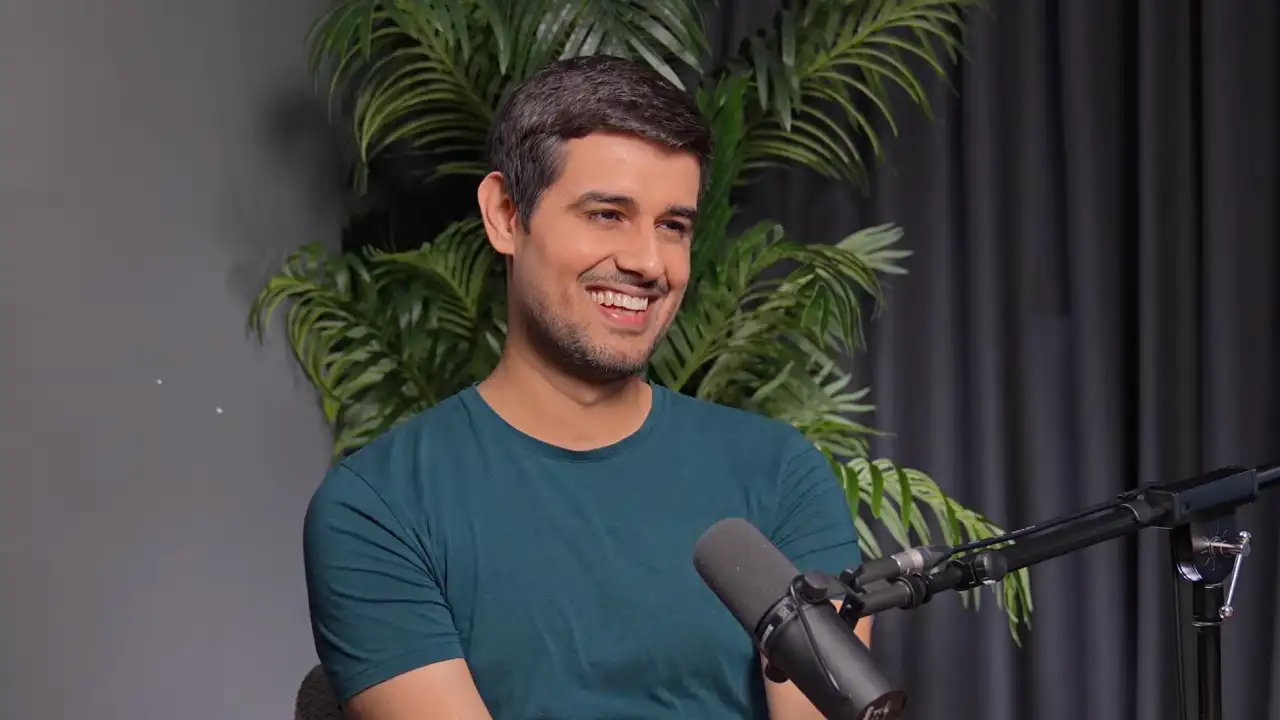
Speaking in a podcast with Satish K Videos, the 25-year-old entrepreneur explained how he sold his YouTube channel with over 400K subscribers to bootstrap a solar business.
Maurya began his digital journey during his high school years in Lakhimpur, Uttar Pradesh, initially experimenting with tech tips and blogging before launching a rural lifestyle video channel.
As his channel grew, he began documenting unpolished village life, creating vlogs that resonated with people across the nation, earning a good amount of money for him.
Facing algorithm fluctuations, Maurya chose to monetise his channel equity directly rather than waiting for ad revenue to decay.
He sold the channel to a private buyer for one rupee per subscriber, netting roughly four lakh rupees under a strict contractual agreement that barred the buyer from hosting gambling promotions.
Maurya directed that capital into replacing noisy, high-emission diesel flour mills across rural communities with solar energy installations.
After successfully deploying a prototype at his own ancestral property, he published short demonstration videos to his secondary personal channel, prompting direct inbound inquiries from business owners across neighbouring districts.
His first major commercial project arrived from a commercial operator in Aligarh, roughly 300 kilometres away, who transferred an advance payment of one lakh rupees based purely on creator credibility.
Today, Maurya oversees a lean operational unit of 12 employees that installs between 10 and 12 solar setups each month across Uttar Pradesh, Bihar, Jharkhand, and Uttarakhand.
Rather than buying expensive customer acquisition ads, Maurya produces video case studies and video testimonials featuring satisfied rural entrepreneurs and school administrators on YouTube, Instagram, and Facebook.
The enterprise maintains operating profit margins of roughly 10% on direct-to-consumer installations and up to 5% on business-to-business projects, while actively participating in government initiatives such as the PM Surya Ghar Muft Bijli Yojana rooftop solar scheme.
He revealed that organic social media content and personal brand equity now generate roughly 90% of his company’s commercial and residential client pipeline.
Daya Shankar Maurya, who is currently finishing a five-year law degree to navigate corporate contracts independently, noted that direct creator trust remains the strongest moat for modern niche service businesses.