
YouTube is currently conducting a massive crackdown on what it terms “AI slop,” leading to the immediate demonetization of thousands of channels globally.
The platform has significantly sharpened its “Inauthentic Content” policy to target videos that appear mass-produced, repetitive, or lack a clear human touch.
According to recent data, this enforcement wave has already erased over 4.7 billion lifetime views and affected channels with as many as 35 million subscribers combined.
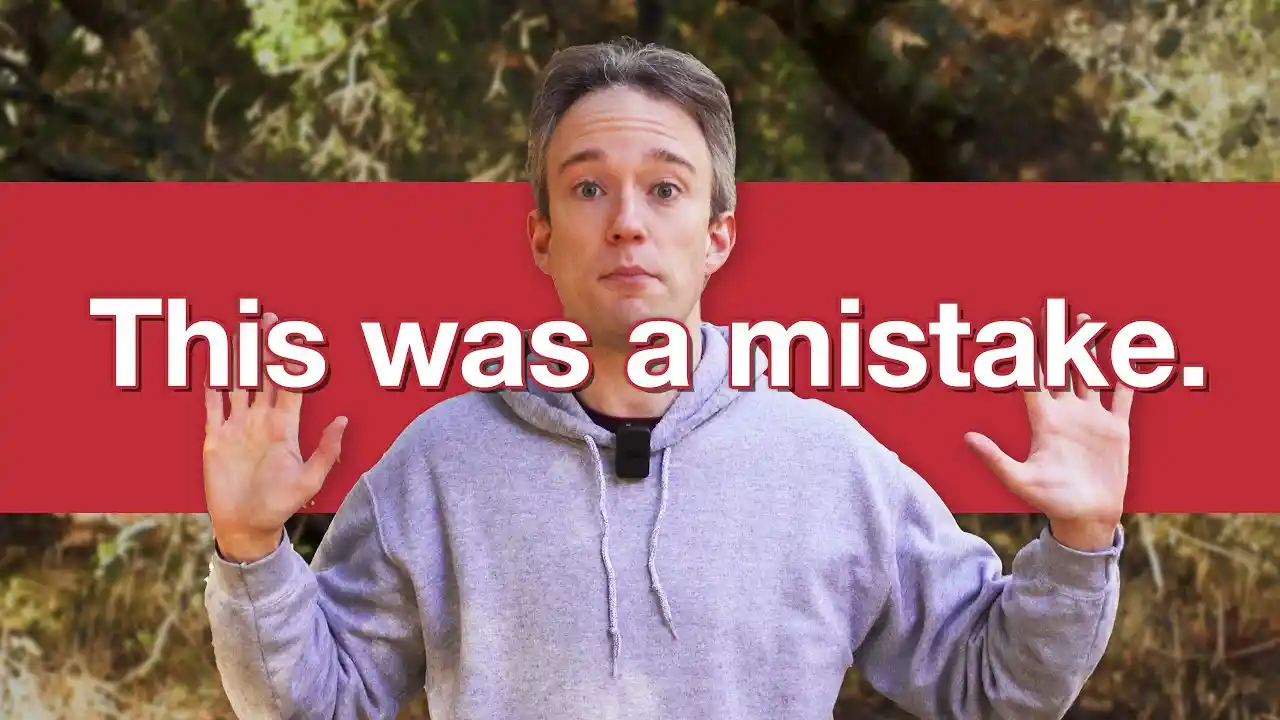
Popular YouTube strategist and Think Media founder Sean Cannell recently detailed the severity of this shift, noting that even high-performing channels are not immune.
Cannell highlighted a case study of a Bible-themed channel earning 30,000 dollars per month that was completely demonetised overnight.
He explained that YouTube’s systems are now specifically hunting for “interchangeability,” a state where a channel’s content is so templated that it provides no unique value compared to thousands of others.
The crackdown follows a direct mandate from YouTube CEO Neal Mohan to reduce the spread of low-quality, repetitive content that clutters user feeds.
This “AI slop” often involves fully automated pipelines where artificial intelligence generates the script, voiceover, and visuals with zero human intervention.
YouTube is now using its own advanced AI detection tools to identify these patterns, often resulting in permanent removal from the YouTube Partner Program (YPP), which is the system that allows creators to earn money from ads.
To survive this shift, Cannell advises creators to use AI as an “assistant” rather than an “engine.” This means using tools for research or drafting but ensuring the final product contains human commentary, original storytelling, or a unique brand identity.
YouTube is reportedly looking for “creative transformation”, and channels that fail to show this effort are being flagged as “content farms.”
In India, this move coincides with new government IT rules that mandate clear labelling for all AI-generated content. Creators must now disclose when they use “realistic altered or synthetic content” through the official YouTube Creator Studio label.
Failure to disclose AI usage is now considered a direct violation of monetization policies and can lead to immediate suspension.
Sean Cannell, who has spent over a decade helping creators build sustainable businesses on YouTube, warns that “quantity over quality” is no longer a viable strategy in 2026.
As the platform moves toward a more “human-centric” algorithm, the most successful creators will be those who prioritize original brand DNA over lazy automation.
For those already hit by demonetization, the only path forward is a formal appeal process that proves significant human involvement in the production of every video.