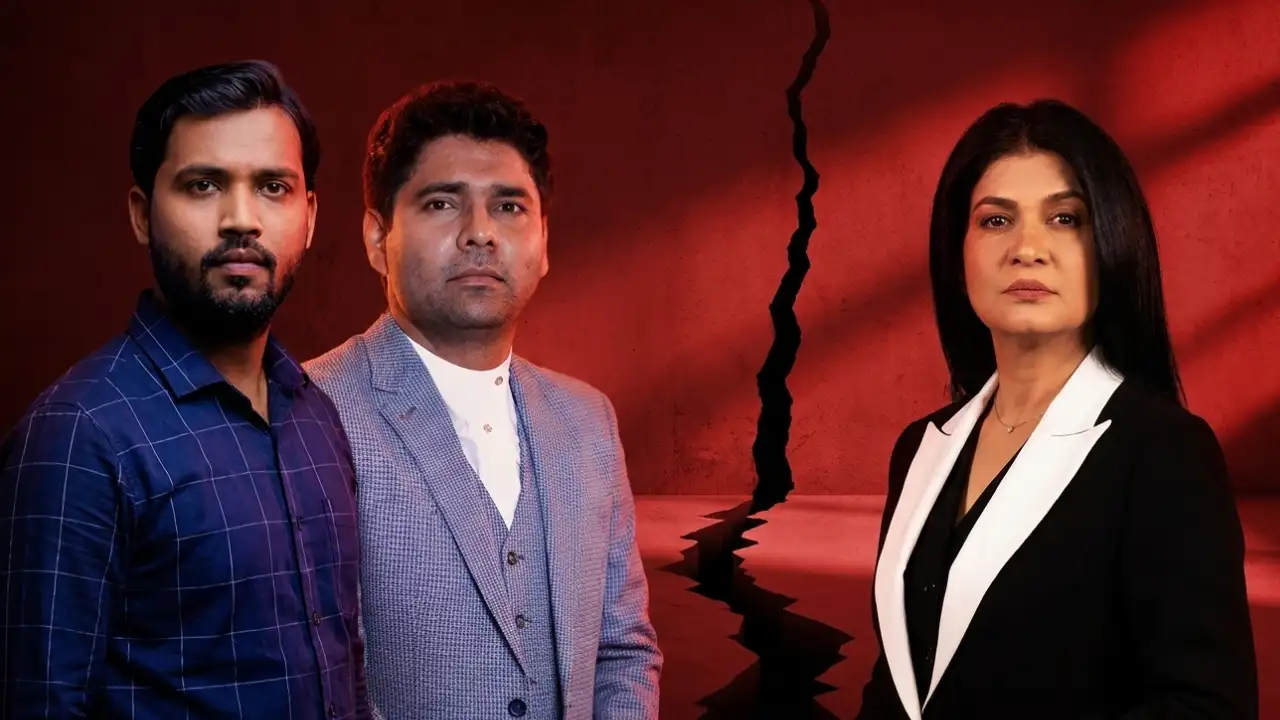
Popular television news anchor Anjana Om Kashyap sparked an intense digital controversy this week after criticizing independent online educators on social media, labelling a section of them as big frauds who compromise educational quality for digital engagement.
Speaking during a recent public broadcast, the mainstream media personality alleged that prominent digital content creators routinely capitalize on sensationalized informational videos despite missing formal educational training or domain expertise.
The comments immediately triggered a massive wave of pushback across social media networks from competitive examination coaches, digital creators, and student communities who rely on internet platforms for affordable learning resources.
The backlash intensified rapidly as prominent independent educators from across India released video statements defending their work and the broader digital teaching community.
Several educators accused the mainstream journalist of being disconnected from the economic realities of millions of students residing in rural or lower-income households.
These digital creators highlighted that expensive commercial coaching centers in metropolitan hubs remain completely unaffordable for the average aspirant preparing for government entrance exams.
Many online teachers pointed out that digital distribution platforms allow them to stream high-quality educational content directly to students for free or at a fraction of standard market rates.
They argued that dismissing the efforts of the digital teaching community demeans the hard work of educators who spend hours building accessible lecture notes and helping students pass highly competitive national selections.

Some digital creators also questioned the moral standing of mainstream news channels, suggesting that legacy media organizations frequently prioritize sensationalism and engagement metrics over balanced public interest journalism.
They argued that independent internet channels often fill a critical public service vacuum by reporting on exam paper leaks, delayed recruitment drives, and structural youth unemployment.
The controversy has highlighted an escalating tension between legacy television media and independent internet broadcasters, who are increasingly competing for audience retention and cultural relevance among India’s massive youth demographic.
Aspiring content creators are closely tracking the dispute as it emphasizes the shifting dynamics of trust, where audiences frequently exhibit greater loyalty toward individual digital personalities than traditional corporate news brands.
Mainstream media organizations frequently monitor audience acquisition through traditional rating points, whereas internet creators focus on scaling their digital reach through view counts, click-through rates, and algorithmic recommendations.
This structural transition has enabled independent channels to build massive student communities that bypass traditional media networks entirely to address local socioeconomic challenges.
Kashyap, who operates as the managing editor for special projects at the prominent Hindi news channel Aaj Tak, has historically been one of the most recognizable faces in Indian television journalism.
Her official digital platforms command millions of aggregate followers, and she has frequently found herself at the center of intense public discourse regarding the tone, ethics, and social responsibilities of modern primetime broadcasting