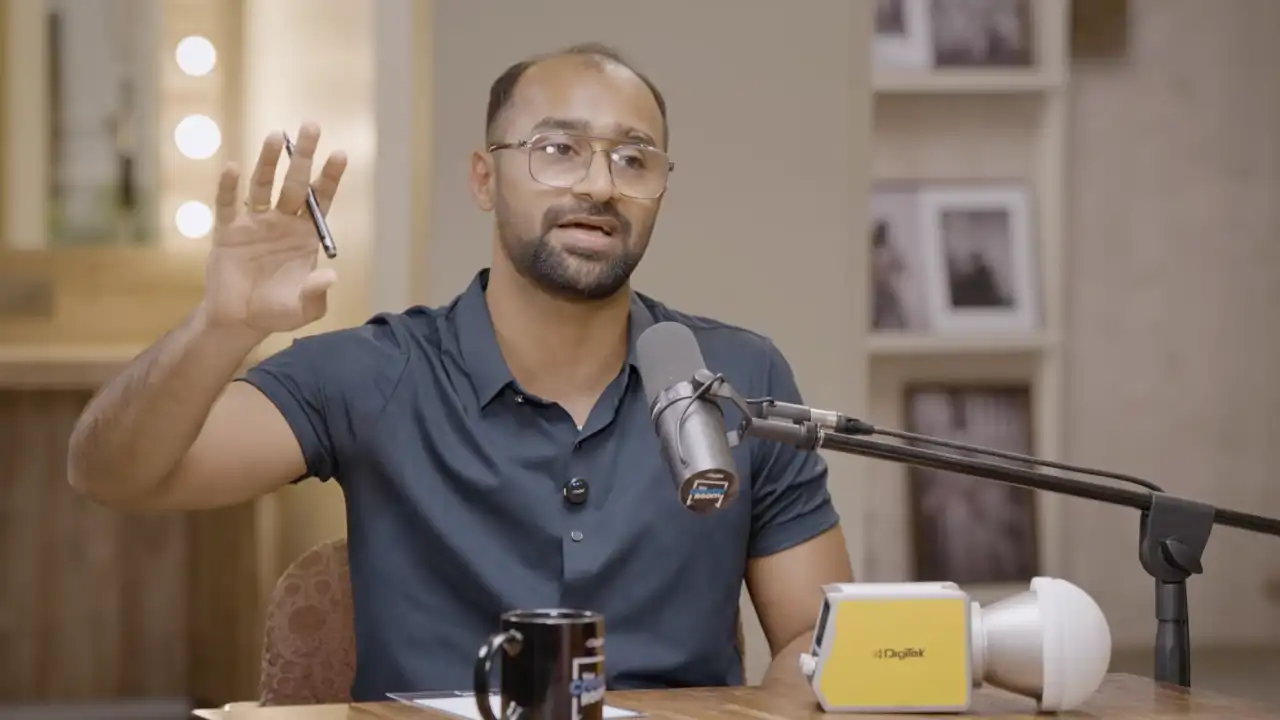
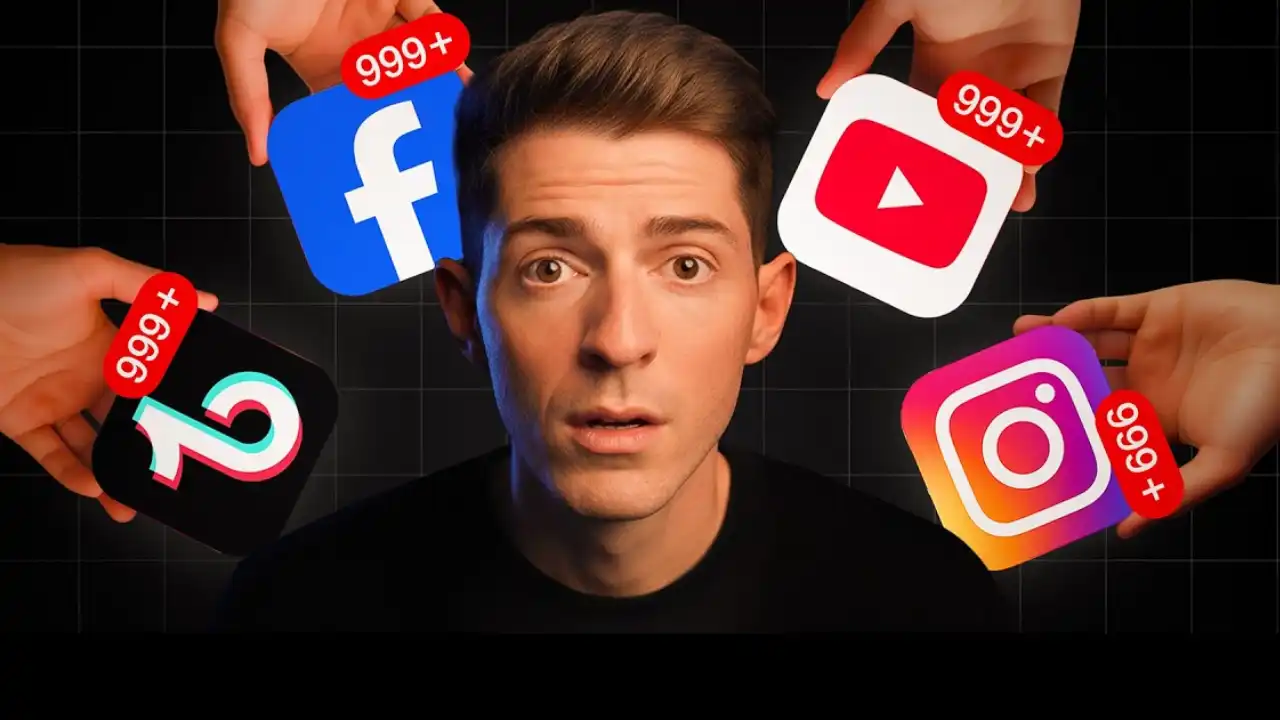
Popular YouTube strategist and entrepreneur Kane Kallaway said the era of free organic distribution on social media is rapidly closing, predicting a permanent shift toward pay-to-play models by 2028.
Speaking on the Open Residency podcast, Kallaway warned that the current “gold rush” of reaching millions of people for free is a temporary anomaly in the history of media.
He emphasized that as platforms mature and seek higher profits, the algorithm will inevitably prioritize those who pay for reach.
Kallaway, who has amassed over half a million subscribers on YouTube by analyzing social media systems, argued that the rise of artificial intelligence will accelerate this decline.
He explained that AI is making it easier than ever to produce high-quality “slop” or automated content, which will soon flood every feed. This saturation will force platforms to charge creators to cut through the noise, effectively ending the era where a new creator could go viral overnight without a marketing budget.
To survive this shift, Kallaway introduced his Lego brick framework, a systematic way for creators to build a “moat” around their brand. This system breaks every video into seven core components: topic, angle, hook structure, story structure, visual format, key visuals, and audio.
By mastering these specific elements now, Kallaway believes creators can build deep trust with a loyal audience that will follow them even after the free distribution ends.
The strategy focuses heavily on the anatomy of a hook, which Kallaway divided into three synchronized layers: visual, spoken, and text-based. He explained that confusion leads to churn, and creators must ensure these three elements align within the first two seconds to achieve high retention.
According to Kallaway, the visual acts as a “stun gun” to stop the scroll, while the spoken and text hooks provide the context necessary to hold interest.
The analyst also highlighted YouTube as the premier platform for trust accrual due to the high volume of content minutes it captures.
While a short-form video might offer a 30-second dopamine hit, long-form YouTube videos allow creators to transfer multiple complex ideas in a single session.
He argued that for entrepreneurs, every YouTube video acts as a 24/7 sales agent that builds credibility through a demonstration of ability rather than just entertainment.
Kallaway urged aspiring creators to spend the next three years working aggressively to secure a following before the barriers to entry become too expensive.
He currently operates several content-driven ventures and consulting services, using his background as a former management consultant to treat content production like a factory assembly line.
By owning a specific niche and building a signature personal brand today, he believes creators can protect their business against the coming wave of automated, paid-only media.