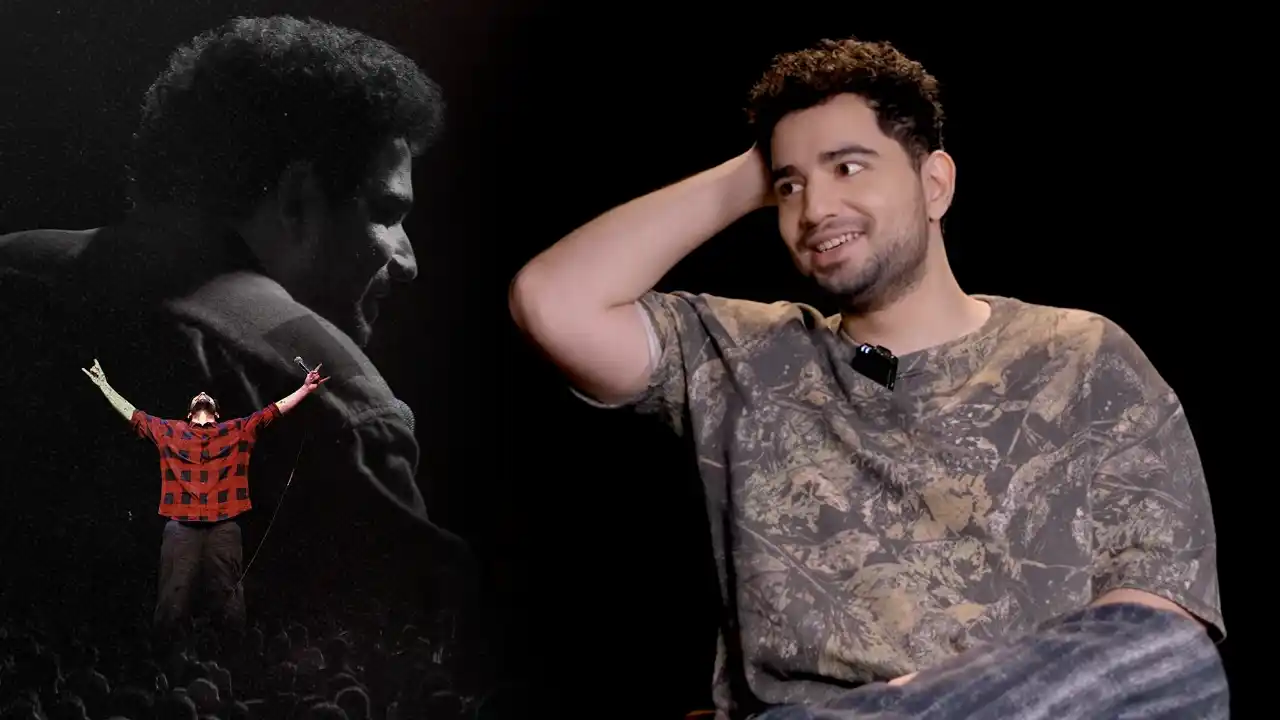
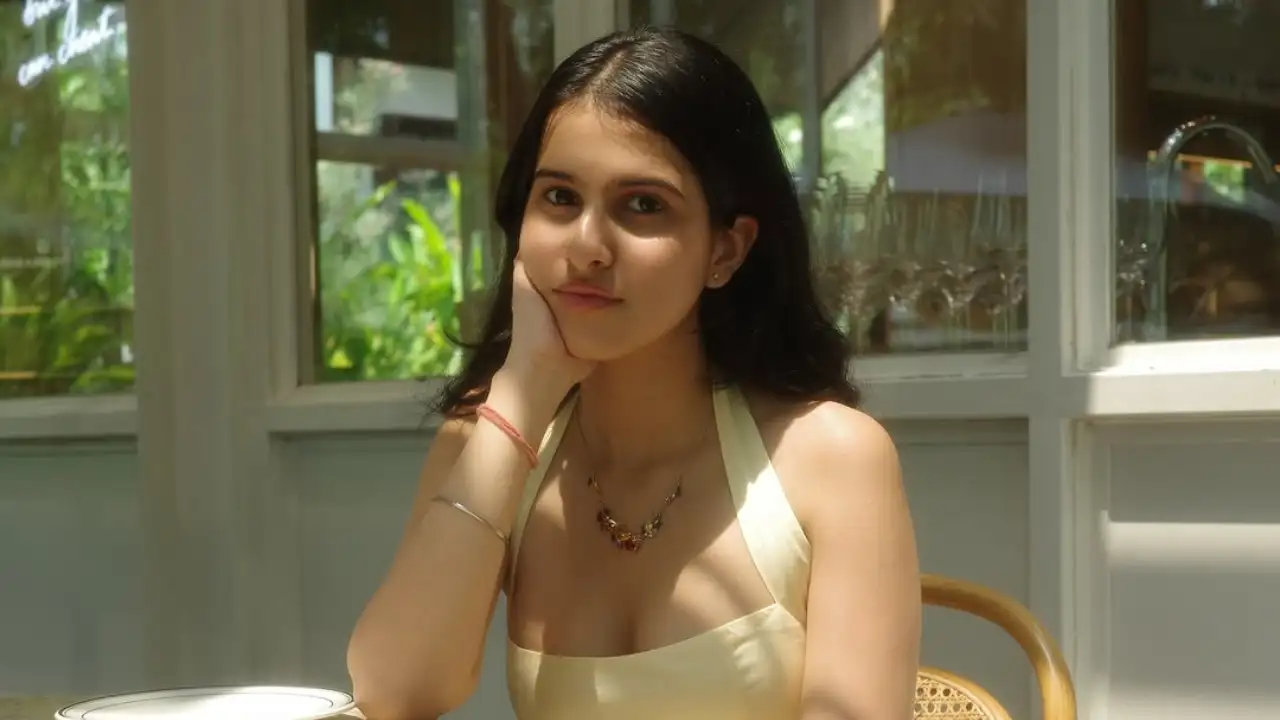
Mumbai-based lifestyle creator Taneesha Mirwani released a candid video on YouTube, addressing the psychological toll of “hype culture” and the lack of authenticity within the Indian influencer industry.
Taneesha revealed that she rejected a full-time corporate job offer in the United States two years ago to pursue content creation in Mumbai on a whim.
The influencer, known for her relatable Gen Z-focused comedy and vlogs, expressed deep frustration with the pressure to attend poorly organized industry events and maintain “fake” social media friendships for the sake of brand visibility.
Mirwani described the current digital landscape as a weird and dark space where creators feel forced to be chronically online.
She noted that the fear of missing out on viral trends or international PR (public relations) packages often forces creators to prioritize social media over their real-world relationships.
The creator admitted to waiting six hours at a chaotic event just to see a global celebrity for 30 seconds because it looked good for her Instagram feed.
She explained that these actions are often driven by the hope of landing a brand deal (a partnership where a company pays a creator to promote a product).
Mirwani also highlighted the financial reality of staying authentic, stating she is not ashamed to earn less than her peers because she handpicks her collaborations.
She warned her audience that the pressure to know every meme and own every trending skincare product is “frying” the brains of both creators and viewers.
The 24-year-old influencer, who graduated from Boston University where she studied advertising, has been active on social platforms for over 10 years.
She first gained significant traction on Musical.ly and TikTok before the latter was banned in India, eventually migrating her audience to Instagram and YouTube.
Taneesha Mirwani currently commands a following of over 600K on Instagram and has amassed millions of views on her YouTube vlogs.
Despite her success, she urged aspiring creators to maintain a life outside of their screens and to prioritize education and reading over mindless scrolling.