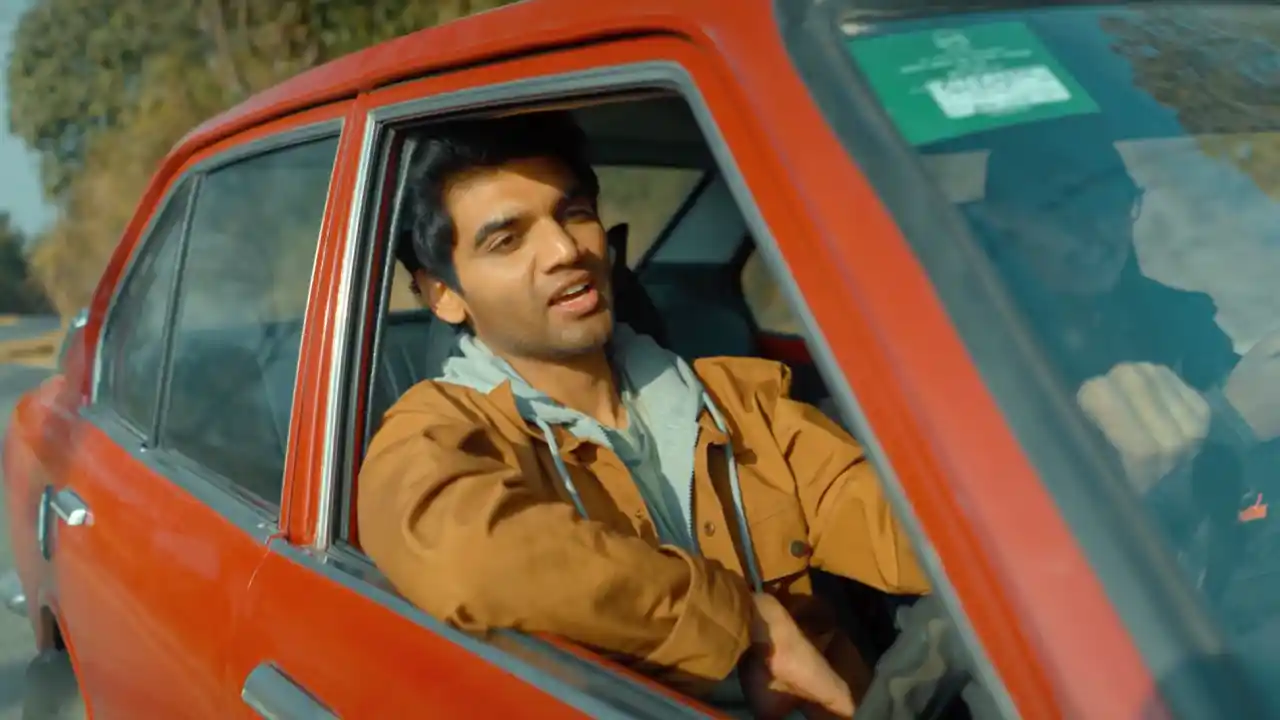
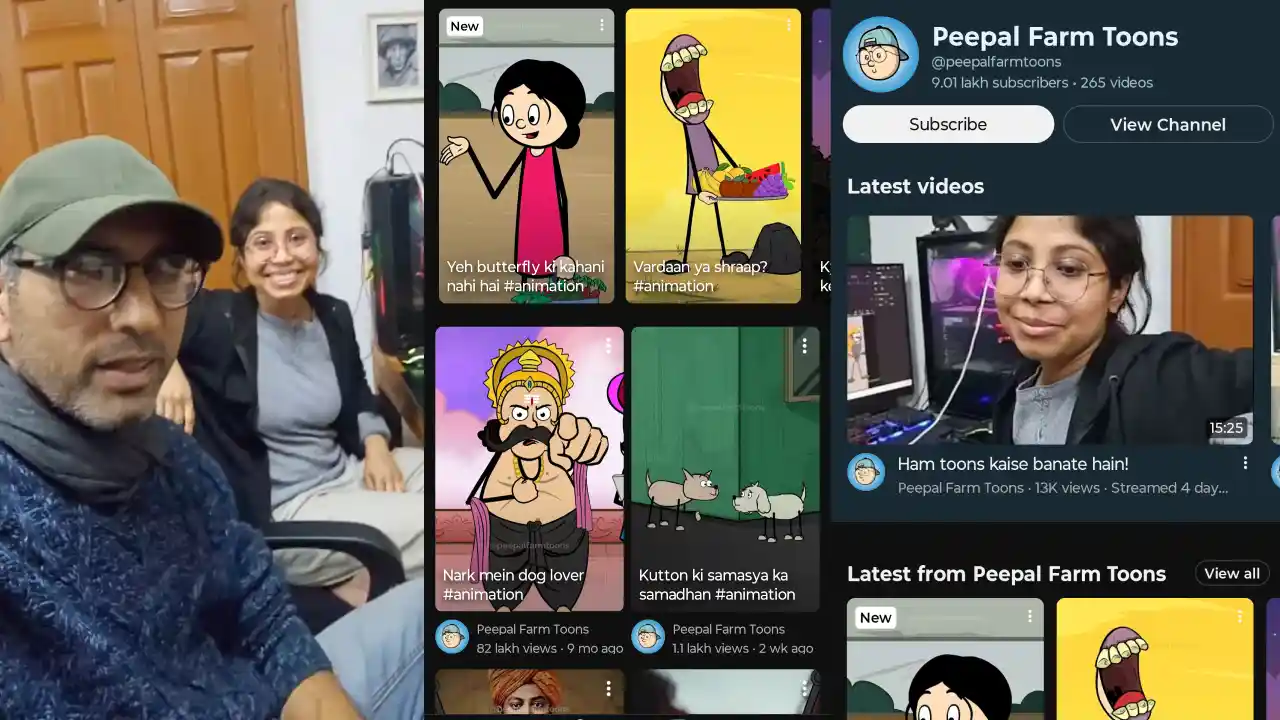
Robin Singh, the tech-entrepreneur-turned-activist and founder of the Himachal Pradesh-based animal rescue Peepal Farm, joined lead animator Saloni in a live broadcast to detail the technical production pipeline behind their viral advocacy cartoons.
The duo provided a rare look at how their specialised content is crafted, explaining that these digital stories are designed to bridge the gap between human values and the treatment of stray animals.
Singh emphasised that the primary goal of the Peepal Farm Toons channel, which boasts over 900K subscribers, is to reduce suffering by connecting viewers with their own inherent compassion through relatable characters.
The creative process begins with a script often penned by Singh, focusing on ethical dilemmas such as the treatment of stray dogs or the philosophy of existence. This narrative is then handed over to a storyboard artist who creates the animatics, a rough, black-and-white version of the film that looks like a moving comic book.
Saloni explained that these animatics serve as the blueprint for the entire project, allowing the team to visualize the timing and flow of the story before high-fidelity drawing begins.
Once the storyboard is approved, Saloni moves into the character design phase using Adobe Animate, a professional software used for vector-based 2D animation.
She demonstrated how a single character requires multiple perspectives, including front, side, and three-quarter views, to ensure consistency during movement.
These designs are then placed onto the digital canvas to create keyframes, which are the primary poses that define a character’s action in a scene.
To achieve smooth movement, the team utilises a labour-intensive technique known as in-betweens. Saloni showcased how a simple movement, such as a character turning its head, requires several transition drawings between two main keyframes to prevent the animation from appearing “jerky.”
This specific task is handled by a distributed team, including members working remotely from West Bengal, highlighting the collaborative nature of modern digital studios.
The final stages of production involve lip-syncing characters to audio tracks and moving the project into Adobe Premiere Pro for the final edit.
In this stage, the team adds a soundscape consisting of background music and SFX (Sound Effects), such as rustling leaves or animal noises, to create an immersive experience.
Singh noted that while long-form videos are more complex to produce, they often face challenges with the YouTube algorithm, frequently receiving fewer views than their shorter counterparts.
Despite the high production costs and technical hurdles, Singh reiterated that the channel is not a profit-making venture. He revealed that the revenue generated from YouTube advertisements does not even cover half of a single team member’s salary.
Instead, the project is funded by the larger Peepal Farm ecosystem, which includes a social enterprise empowering local women and a rescue center in Dhanotu village that has helped thousands of animals recover since its founding in 2014.
Singh, who previously ran a successful tech company in the United States before returning to India to seek a life of purpose, also used the session to encourage aspiring artists. He offered a unique opportunity for creators with strong drawing skills to visit the farm and learn animation firsthand.
This initiative aligns with his “relay race” philosophy of life, where knowledge and compassion are passed down to the next generation to sustain long-term social change.