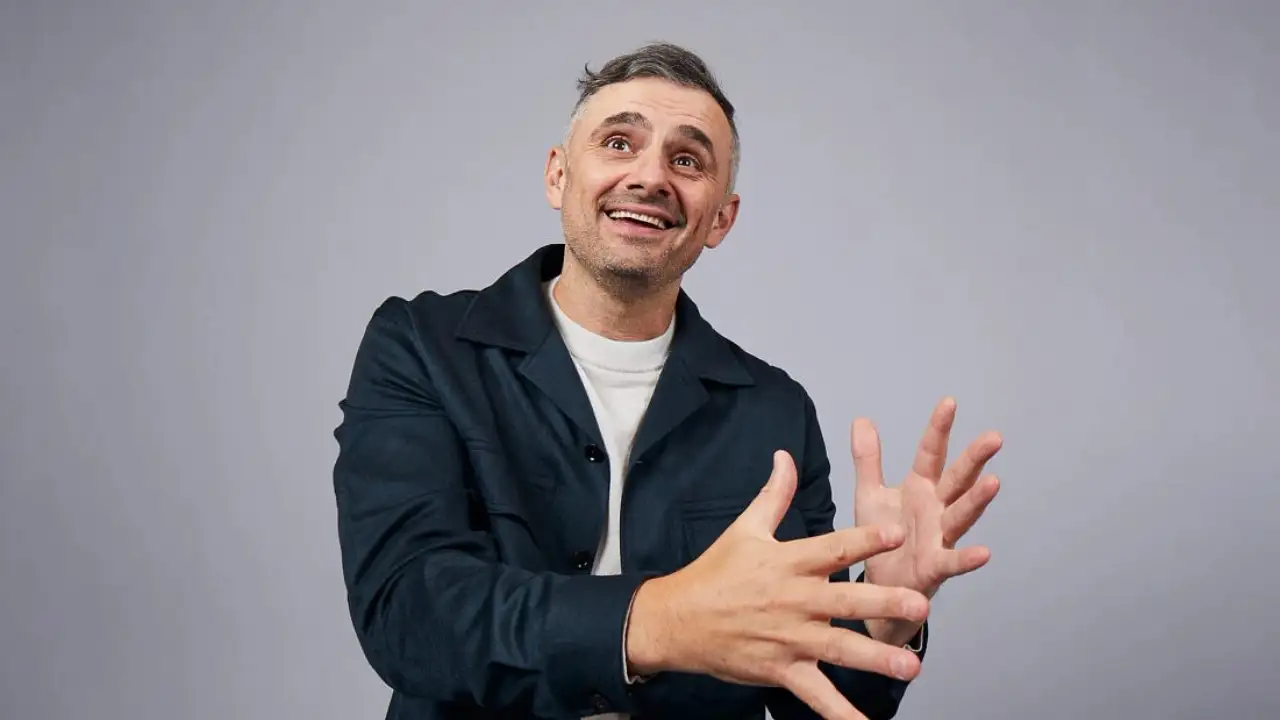

Monk Entertainment Co-founder and CEO Viraj Sheth has declared that the Indian creator economy is entering a phase of “post-content saturation,” a shift that will force creators to abandon broad appeal in favour of hyper-niche expertise and “unhinged” authenticity.
In a forward-looking discussion on the Dostcast podcast, the 30-year-old media executive argued that the easy growth era of the pandemic is over.
He predicts that by 2026, the industry will be defined by the collapse of generalist podcasts, the rise of paid micro-dramas, and a massive economic boom in male grooming content.
Sheth’s most significant financial prediction centres on the explosion of micro-dramas, 60-second episodic shows often paywalled on apps like Kuku TV, Viralo, DramaBox, Story TV, QuickTV, Moj, and many others.
The influencer marketing veteran noted a fascinating industry pivot: betting and gaming apps, facing stricter regulations, are increasingly rebranding as micro-drama platforms.
These companies are targeting the same demographic, men in Tier-2 and Tier-3 cities, who have disposable income (e.g., ₹99/month) and are seeking high-octane, fantasy-fulfilment stories to escape the daily grind.
Viraj Sheth has been a central figure in India’s creator economy since co-founding Monk Entertainment in 2018 along with popular podcaster Ranveer Allahbadia. His agency manages top-tier talent and executes campaigns for unicorns and legacy brands alike, giving him a unique macro-view of the industry’s trajectory.
His predictions suggest a maturing market where technical skill and generic entertainment are no longer enough, specialisation and distinctive “taste” are the new currencies of success.
Death of Mass Podcasts
The “mass podcast” bubble is about to burst, according to Sheth. He argued that the market is flooded with hosts asking the same celebrity guests the same generic questions, leading to audience fatigue.
The future belongs to vertical/niche creators, specialists who go deep into specific industries. He cited examples like podcasts dedicated entirely to merchant navy life or shipping logistics, which command smaller but highly lucrative, high-trust audiences.
For 2026, Sheth advises aspiring podcasters to ignore the “Joe Rogan model” of general interviews and instead build authority in specific sectors like skincare, manufacturing, or finance.
Rise of Looksmaxxing in India
A cultural shift with major economic implications is the predicted rise of “looksmaxxing” among Indian men. Sheth forecasts that 2026 will see Indian men becoming a dominant consumer category for beauty, fashion, and wellness brands, shedding the “apologetic” attitude toward grooming.
This will create a surge in demand for male fashion influencers, stylists, and “get ready with me” (GRWM) content tailored for men.
Brands that have historically ignored this demographic will likely pivot to capture the spending power of men who now view physical presentation as a career and social necessity.


Future of Talent Management & Influencer Agencies
Viraj Sheth also warned that the traditional talent management model faces an existential crisis due to the democratisation of access.
He explained that “gatekeepers” are disappearing; creators no longer need agents to get meetings with brands or collaborators, as direct outreach via Instagram DMs has become the norm.
To survive, agencies will have to offer value beyond just “access,” such as strategic IP building or crisis management.
He concluded that in a world of AI-generated slop, “taste” will become the only differentiator, rewarding creators who can curate unique, human experiences over algorithmic trends.